
If your car is losing power while driving, accelerating slowly, struggling uphill, or suddenly feeling weak, the problem should not be ignored. Engine power loss can range from a simple maintenance issue to a serious mechanical failure that could leave you stranded.
In many cases, drivers first notice reduced acceleration, hesitation when pressing the gas pedal, or the vehicle entering “limp mode.” Sometimes the issue appears gradually, while other times the power loss happens suddenly on the highway.
This guide explains the most common causes of engine power loss, how to identify the symptoms, whether it’s safe to continue driving, and what repairs may be needed.
What Does It Mean When a Car Loses Power?
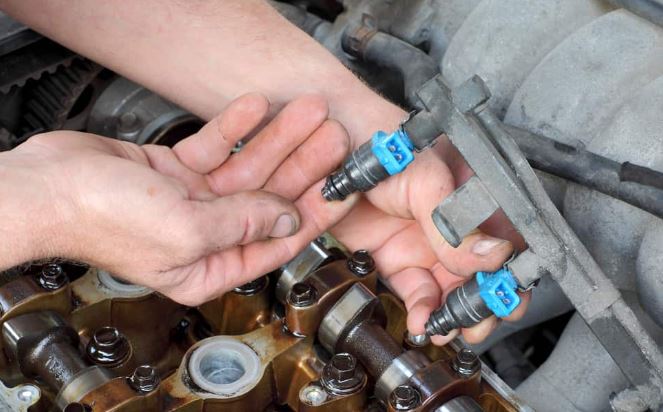
A car losing power usually means the engine is no longer producing the performance it normally should. The vehicle may feel sluggish, struggle to accelerate, hesitate under load, or fail to maintain speed.
In some situations, the engine itself is the problem. In others, the transmission, turbocharger, fuel system, or electronic controls may be responsible.
Typical signs include:
- Slow acceleration
- Weak throttle response
- Engine hesitation
- Trouble climbing hills
- Reduced top speed
- Rough engine operation
- Check engine light
- Vehicle entering limp mode
If the issue appears suddenly and is accompanied by shaking, smoke, or loud noises, the problem could be serious.
Most Common Reasons Your Car Is Losing Power
Clogged Fuel Filter
Quick Answer
A clogged fuel filter restricts fuel flow to the engine, causing weak acceleration, hesitation, and loss of power under load. The issue often becomes noticeable during highway driving or uphill acceleration because the engine cannot get enough fuel.
Fuel filters trap dirt and debris before fuel reaches the injectors. Over time, they become restricted, especially on vehicles with neglected maintenance.
Common symptoms include:
- Hard acceleration
- Engine sputtering
- Poor high-speed performance
- Random stalling
- Difficulty starting
This is one of the more affordable fixes and is often overlooked during diagnosis.
Bad Fuel Pump
The fuel pump delivers gasoline from the tank to the engine. If it weakens or fails, the engine may starve for fuel.
A failing fuel pump commonly causes:
- Loss of power at higher speeds
- Engine surging
- Long crank times
- Sudden stalling
- Weak acceleration
Many drivers notice the problem more when accelerating hard or driving uphill.
A bad fuel pump can eventually leave the vehicle unable to start.
Dirty or Failing Mass Air Flow (MAF) Sensor
The MAF sensor measures how much air enters the engine. If the readings become inaccurate, the engine computer may deliver the wrong fuel mixture.
This can lead to:
- Poor throttle response
- Rough idling
- Weak acceleration
- Reduced fuel economy
- Check engine light
Dirty aftermarket air filters sometimes contaminate the MAF sensor and cause incorrect readings.
Faulty Spark Plugs or Ignition Coils
Worn spark plugs or failing ignition coils often cause engine misfires, especially during acceleration.
Quick Answer
If your car loses power and shakes while accelerating, bad spark plugs or ignition coils are extremely common causes. Misfires prevent the engine from producing full power and can quickly damage the catalytic converter if ignored.
Common symptoms include:
- Rough idle
- Engine shaking
- Hesitation
- Reduced fuel economy
- Flashing check engine light
Turbocharged engines are often more sensitive to ignition problems under boost.
Clogged Catalytic Converter
A clogged catalytic converter creates excessive exhaust restriction, making it difficult for the engine to “breathe.”
The vehicle may feel:
- Extremely slow
- Weak at high RPM
- Unable to accelerate properly
- Hot underneath the car
Sometimes drivers describe it as feeling like the engine is “choking.”
A failing catalytic converter may also produce a rotten egg smell.
Throttle Body Problems
Modern vehicles use electronic throttle bodies to control airflow. Carbon buildup or electronic failures can reduce throttle response and trigger reduced power mode.
Symptoms may include:
- Delayed acceleration
- Rough idle
- Check engine light
- Sudden power reduction
Some vehicles require throttle body relearning after cleaning or replacement.
Transmission Issues
Sometimes the engine is fine, but the transmission cannot properly transfer power to the wheels.
Transmission-related power loss symptoms include:
- High RPM with little acceleration
- Slipping gears
- Delayed shifting
- Jerking during acceleration
CVT transmissions commonly create a “rubber band” feeling where the engine revs but the vehicle barely accelerates.
Turbocharger Problems
Turbocharged vehicles often lose power when boost pressure drops.
Common turbo-related causes include:
- Boost leaks
- Broken intercooler pipes
- Wastegate problems
- Worn turbochargers
Quick Answer
A turbocharged car losing power usually points to low boost pressure. The vehicle may feel naturally aspirated, slow during acceleration, or unable to build power at higher RPMs.
Whistling noises, smoke, or oil consumption may also appear.
Vacuum Leaks
Vacuum leaks allow unmetered air into the engine, disrupting the air-fuel ratio.
This often causes:
- Rough idle
- Lean engine codes
- Hesitation
- Weak acceleration
Small leaks can be difficult to locate without smoke testing equipment.
Bad Oxygen Sensor
Oxygen sensors monitor exhaust gases and help adjust fuel mixture.
A failing sensor may cause:
- Reduced fuel economy
- Sluggish performance
- Hesitation
- Check engine light
While oxygen sensors rarely cause extreme power loss alone, they can contribute to poor performance.
Engine Timing Problems
Incorrect engine timing can severely reduce power and efficiency.
Potential causes include:
- Stretched timing chain
- Slipped timing belt
- Variable valve timing failures
In severe cases, the engine may run rough, misfire, or fail completely.
Limp Mode Activation
Modern vehicles enter limp mode to protect the engine or transmission from damage.
Quick Answer
If your car suddenly loses power but still drives slowly, the vehicle may be in limp mode. The computer limits engine performance after detecting a serious fault to prevent further damage.
Limp mode commonly limits speed and RPM.
Common triggers include:
- Transmission problems
- Turbo issues
- Sensor failures
- Overheating
- Severe misfires
Can You Keep Driving a Car That’s Losing Power?
Quick Answer
Driving a car that’s losing power can be risky depending on the cause. Minor issues like dirty sensors may not immediately damage the engine, but severe misfires, overheating, turbo failures, or fuel delivery problems can quickly become dangerous and expensive.
You should avoid driving if:
- The check engine light flashes
- The engine shakes heavily
- Smoke appears
- The car struggles at highway speeds
- Overheating occurs
In those situations, towing the vehicle is often safer.
Symptoms That Commonly Appear With Power Loss
Check Engine Light
The check engine light is one of the biggest clues.
Common codes involve:
- Misfires
- Airflow problems
- Fuel delivery issues
- Turbo underboost
- Sensor failures
Scanning the vehicle for codes is one of the first diagnostic steps.
Rough Idling
A rough idle often points toward ignition, vacuum, or fuel problems.
If the engine feels unstable while stopped, the issue may worsen under acceleration.
Poor Fuel Economy
Many power loss issues also reduce fuel efficiency because the engine operates inefficiently.
Engine Misfires
Misfires create shaking, hesitation, and severe power reduction.
Ignoring misfires can damage the catalytic converter.
Hesitation During Acceleration
Hesitation commonly appears with:
- Weak fuel pumps
- Dirty throttle bodies
- MAF sensor issues
- Ignition failures
Smoke From Exhaust
Smoke color matters:
- Black smoke → rich fuel mixture
- Blue smoke → oil burning
- White smoke → coolant burning
Smoke combined with power loss should never be ignored.
How to Diagnose a Car Losing Power
Scan for Trouble Codes
An OBD2 scanner can quickly identify many common issues.
Even inexpensive scanners provide useful clues.
Inspect Air Intake Components
Check:
- Air filter
- Intake piping
- Turbo hoses
- Throttle body
- MAF sensor
Cracked hoses are extremely common.
Check Fuel Pressure
Fuel pressure testing helps identify weak fuel pumps or clogged filters.
Low pressure under load is a major sign of fuel delivery problems.
Test Ignition Components
Inspect:
- Spark plugs
- Ignition coils
- Wiring
- Coil boots
Misfires under acceleration often point to ignition problems.
Inspect Exhaust Restriction
A clogged catalytic converter may require backpressure testing.
Sometimes the converter glows red when severely restricted.
Common Misdiagnosis Mistakes
Many owners waste money replacing random parts without proper diagnosis.
Common mistakes include:
- Replacing spark plugs when fuel pressure is low
- Ignoring transmission slipping
- Assuming every problem is sensor-related
- Replacing expensive parts without scanning codes
Proper testing saves money.
Car Losing Power When Accelerating
Quick Answer
If your car loses power mainly during acceleration, fuel delivery problems, ignition misfires, turbo issues, or clogged exhaust components are among the most common causes.
The engine requires much more fuel and airflow under heavy acceleration, which exposes weak components quickly.
Car Losing Power Uphill
Hills place additional load on the engine and transmission.
Weak components often become obvious during uphill driving.
Common causes include:
- Weak fuel pump
- Transmission slipping
- Overheating
- Turbo boost leaks
Car Loses Power but Still Runs
This usually indicates partial failure rather than complete breakdown.
Common causes include:
- Limp mode
- Dirty throttle body
- Restricted catalytic converter
- Sensor issues
The car may still drive, but performance becomes heavily reduced.
Why Diesel Cars Lose Power
Diesel vehicles have additional systems that commonly cause power loss.
DPF Blockage
A clogged diesel particulate filter severely restricts exhaust flow.
EGR Valve Problems
Carbon buildup in the EGR system can reduce airflow and performance.
Turbo Failure
Diesel engines rely heavily on turbochargers for power.
Fuel Injector Issues
Poor injector spray patterns reduce efficiency and acceleration.
Approximate Repair Costs
| Problem | Estimated Repair Cost |
|---|---|
| Spark plugs replacement | $100–$350 |
| Ignition coil replacement | $150–$600 |
| Fuel pump replacement | $400–$1,200 |
| MAF sensor replacement | $150–$450 |
| Catalytic converter replacement | $900–$3,000 |
| Throttle body cleaning | $100–$250 |
| Turbocharger replacement | $1,000–$4,000 |
| Transmission repair | $1,500–$5,000+ |
Costs vary heavily depending on the vehicle model and labor rates.
What Is the Most Common Cause of Engine Power Loss?
Quick Answer
In real-world repair shops, the most common causes of engine power loss are ignition misfires, clogged fuel systems, airflow sensor problems, and restricted catalytic converters.
Neglected maintenance is often a major contributor.
Simple issues like worn spark plugs can eventually create larger and more expensive failures.
How to Prevent Engine Power Loss
Keep Up With Tune-Ups
Replacing spark plugs, filters, and fluids on schedule prevents many problems.
Use Quality Fuel
Low-quality fuel can contribute to injector buildup and poor performance.
Replace Filters Regularly
Air and fuel filters are inexpensive compared to major engine repairs.
Fix Check Engine Lights Early
Ignoring warning lights usually increases repair costs later.
Monitor Turbo and Cooling Systems
Turbocharged engines require proper oil changes and cooling system maintenance.
When You Should See a Mechanic Immediately
Seek immediate diagnosis if you notice:
- Flashing check engine light
- Severe shaking
- Smoke from exhaust
- Burning smells
- Major loss of acceleration
- Overheating
- Loud knocking noises
Continuing to drive may cause catastrophic engine or transmission damage.
Frequently Asked Questions
Why does my car lose power when I press the gas?
This often happens due to fuel delivery problems, ignition misfires, airflow sensor issues, or transmission slipping.
Can low oil cause loss of engine power?
Yes. Low oil can trigger protection modes, timing issues, or internal engine damage.
Will a bad battery make a car lose power?
Usually no, but charging system problems can affect electronic throttle and ignition systems.
Can a clogged catalytic converter reduce acceleration?
Yes. A restricted catalytic converter severely limits exhaust flow and engine performance.
Why does my car lose power after warming up?
Heat-related failures involving fuel pumps, ignition coils, or sensors commonly appear after warming up.
Can transmission problems feel like engine power loss?
Absolutely. Slipping transmissions often mimic engine performance problems.
Why does my turbo car feel slow?
Boost leaks, turbo wear, or wastegate failures are common causes.
How much does it cost to fix engine power loss?
Costs range from under $100 for simple fixes to several thousand dollars for major repairs.
Can bad gas cause power loss?
Yes. Contaminated or low-quality fuel can create misfires and poor combustion.
What sensors can cause reduced engine power?
MAF, MAP, throttle position, crankshaft, and oxygen sensors are common causes.
Why does my car struggle uphill?
Weak fuel delivery, overheating, or transmission strain often become noticeable uphill.
What does “engine power reduced” mean?
It usually means the vehicle entered limp mode to prevent damage.
Is it safe to drive with reduced engine power?
Only temporarily and cautiously. Severe symptoms should be inspected immediately.
Why does my car hesitate during acceleration?
Hesitation often points to ignition, airflow, or fuel system issues.
Can a dirty air filter cause loss of power?
Yes. Severe airflow restriction can reduce acceleration and efficiency.
Conclusion
A car losing power is one of the most common complaints drivers experience, but the underlying causes can vary from minor maintenance issues to serious mechanical failures. Sometimes the fix is as simple as replacing worn spark plugs or cleaning a dirty sensor. Other times, the problem may involve fuel delivery, turbocharger failures, transmission damage, or exhaust restrictions that require deeper diagnosis.
One of the biggest mistakes drivers make is ignoring early symptoms. Weak acceleration, hesitation, rough idling, or intermittent power loss often start small before turning into expensive repairs. Modern vehicles also rely heavily on electronic systems, meaning a simple sensor issue can dramatically affect performance.
From a real-world mechanic perspective, proper diagnosis matters more than randomly replacing parts. Scanning trouble codes, checking fuel pressure, inspecting ignition components, and testing airflow systems can prevent unnecessary spending and frustration.
If the vehicle suddenly loses power, enters limp mode, shakes heavily, or shows warning lights, it’s best not to continue driving long distances. Acting early can often prevent catalytic converter damage, engine wear, or transmission failure.
In many cases, catching the issue quickly saves both money and downtime while keeping the vehicle reliable and safe on the road.
Artículos relacionados

What Causes Rough Idle? Common Causes, Symptoms, and Fixes Explained
If your vehicle shakes, vibrates, or feels uneven while sitting at a stoplight, you're probably asking yourself: what causes rough…
Why Is My Engine Making Noise? Common Causes, Diagnosis, and Fixes
Introduction If you've been asking yourself, why is my engine making noise, you're not alone. Unusual engine noises are among…

Why Does My Car Shut Off While Driving? Common Causes, Warning Signs, and Fixes
Few automotive problems are more alarming than having your car suddenly shut off while driving. Whether it happens on a…

Why Is Blue Smoke Coming From My Exhaust? Causes, Symptoms, and Fixes
Blue smoke coming from the exhaust usually means your engine is burning oil. While small amounts of smoke during startup…

Why Is Black Smoke Coming From My Exhaust? Causes, Diagnosis, and Fixes
Introduction Seeing black smoke coming from your exhaust can be alarming, especially if your vehicle was running normally before the…
Why Is White Smoke Coming From My Exhaust? Causes, Diagnosis, and Solutions
Seeing white smoke coming from your exhaust can be alarming, especially if it appears suddenly or continues after the engine…