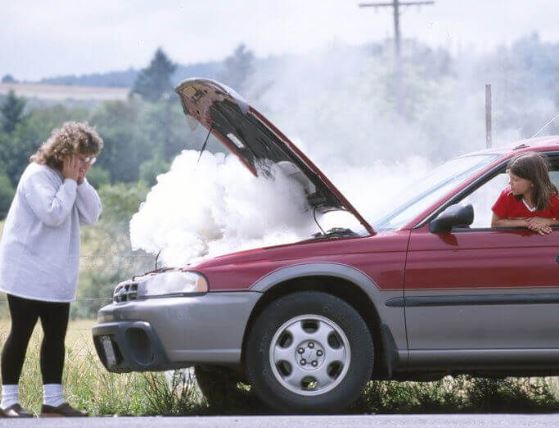
Few vehicle problems are as alarming as seeing the temperature gauge climb into the red zone. If you’re wondering why is my engine overheating, it’s important to act quickly. An overheating engine can lead to expensive repairs, including warped cylinder heads, blown head gaskets, and even complete engine failure.
The good news is that most overheating issues start with identifiable warning signs. Understanding the common causes and knowing how to diagnose them can help you prevent severe engine damage and get back on the road safely.
Why Is My Engine Overheating?
Quick Answer
An engine typically overheats because the cooling system cannot remove heat efficiently. Common causes include low coolant, coolant leaks, a faulty thermostat, a failing water pump, radiator problems, cooling fan failures, or a blown head gasket.
How the Engine Cooling System Works
Your engine generates enormous amounts of heat during normal operation. The cooling system keeps temperatures under control by circulating coolant through the engine block and radiator.
Key components include:
- Radiator
- Water pump
- Thermostat
- Cooling fans
- Radiator hoses
- Coolant reservoir
When one of these components fails, engine temperatures can rise rapidly.
Why Excess Heat Is Dangerous
Modern engines operate within a narrow temperature range. Excessive heat can cause:
- Warped cylinder heads
- Cracked engine blocks
- Damaged pistons
- Failed head gaskets
- Premature engine wear
Even a single severe overheating event can cause lasting damage.
Common Signs Your Engine Is Overheating
Temperature Gauge Rising
The most obvious sign is the temperature gauge moving above its normal range.
Steam Under the Hood
Steam usually indicates coolant is boiling and escaping from the cooling system.
Burning Smell
Hot coolant, rubber hoses, or engine components can produce a noticeable burning odor.
Warning Lights
Many modern vehicles display:
- Engine temperature warnings
- Check Engine Light
- Reduced power mode alerts
Poor Performance
An overheating engine may:
- Lose power
- Hesitate during acceleration
- Enter limp mode
Most Common Causes of Engine Overheating
Low Coolant Level
Coolant absorbs and transfers heat away from the engine.
Low coolant can result from:
- Evaporation over time
- Leaks
- Improper maintenance
A low coolant level is one of the most common causes of overheating.
Coolant Leaks
Leaks can occur in:
- Radiator
- Water pump
- Hoses
- Heater core
- Expansion tank
Look for puddles of green, orange, pink, or yellow fluid beneath the vehicle.
Faulty Thermostat
The thermostat regulates coolant flow.
When stuck closed:
- Coolant cannot circulate properly
- Heat becomes trapped inside the engine
- Overheating occurs quickly
Failed Water Pump
The water pump circulates coolant throughout the engine.
Common symptoms include:
- Coolant leaks near the pump
- Grinding noises
- Overheating at all speeds
Clogged Radiator
Radiators can become restricted by:
- Rust
- Debris
- Internal corrosion
Restricted coolant flow reduces cooling efficiency.
Cooling Fan Failure
Cooling fans help regulate temperature when:
- Idling
- Driving slowly
- Sitting in traffic
If the fan stops working, overheating often occurs at low speeds.
Broken Serpentine Belt
Many vehicles use the serpentine belt to drive the water pump.
If the belt slips or breaks:
- Coolant circulation stops
- Engine temperature rises rapidly
Air in the Cooling System
Air pockets can prevent coolant from circulating properly.
This often happens after:
- Coolant replacement
- Cooling system repairs
- Improper bleeding procedures
Blown Head Gasket
A failed head gasket is one of the most serious overheating causes.
Symptoms often include:
- White exhaust smoke
- Coolant loss
- Engine misfires
- Milky oil
How to Diagnose an Overheating Engine
Quick Answer
Start with basic inspections before replacing parts. Many overheating problems are caused by coolant loss, fan issues, or thermostat failures.
Step 1: Check Coolant Level
Only inspect coolant when the engine is completely cool.
Verify:
- Radiator level
- Reservoir level
- Coolant condition
Step 2: Look for Leaks
Inspect:
- Hoses
- Water pump area
- Radiator seams
- Reservoir tank
Even small leaks can lead to overheating.
Step 3: Verify Fan Operation
Allow the engine to warm up.
Observe whether:
- Electric fans activate
- Fan speed changes appropriately
Step 4: Inspect Hoses
Healthy hoses should feel firm but flexible.
Warning signs include:
- Swelling
- Cracks
- Soft spots
Step 5: Test the Thermostat
A stuck thermostat often causes rapid overheating after startup.
Technicians typically confirm this using temperature measurements or scan tools.
Step 6: Check Water Pump Performance
Look for:
- Coolant leaks
- Bearing noise
- Poor coolant circulation
A failing water pump often worsens gradually.
Can You Drive With an Overheating Engine?
Quick Answer
Driving with an overheating engine is risky and can lead to catastrophic engine damage. If the temperature gauge enters the red zone, stop driving as soon as it is safe.
When You Should Pull Over Immediately
Stop the vehicle if:
- Steam is visible
- Warning lights appear
- The engine begins running poorly
Risks of Continuing to Drive
Continued operation can cause:
- Head gasket failure
- Cylinder head warping
- Engine seizure
Repair costs can increase dramatically within minutes.
What to Do If Your Engine Starts Overheating While Driving
Turn Off the Air Conditioner
The A/C system places additional load on the engine.
Turn the Heater On
While uncomfortable, using the heater can help remove heat from the engine.
Pull Over Safely
Find a safe location away from traffic.
Shut Off the Engine
Allow the engine to cool completely.
Do Not Open the Radiator Cap Immediately
Pressurized coolant can cause severe burns.
Wait until the engine is cool before inspecting the system.
Engine Overheating and Related Symptoms
Overheating With No Coolant Leak
Possible causes include:
- Faulty thermostat
- Bad radiator cap
- Internal engine problems
- Air pockets
Overheating at Idle
Common causes:
- Cooling fan failure
- Restricted radiator airflow
Overheating on the Highway
Possible issues include:
- Low coolant
- Water pump failure
- Clogged radiator
Overheating After Coolant Replacement
Air trapped in the system is often responsible.
Overheating With White Smoke
This may indicate coolant entering the combustion chamber due to a blown head gasket.
Common Misdiagnosis Mistakes
Replacing the Thermostat First
Many owners replace the thermostat without confirming the root cause.
Ignoring Fan Problems
A failed fan motor or relay can mimic other cooling system issues.
Assuming the Head Gasket Is Bad
Not every overheating condition involves major engine damage.
Forgetting About Air Pockets
Air trapped after repairs is surprisingly common.
Typical Repair Costs
| Repair | Approximate Cost |
|---|---|
| Coolant refill | $20–$80 |
| Thermostat replacement | $150–$400 |
| Radiator replacement | $400–$1,200 |
| Water pump replacement | $300–$1,500 |
| Cooling fan repair | $250–$900 |
| Head gasket replacement | $1,500–$4,000+ |
Actual costs vary by vehicle make, model, and labor rates.
How to Prevent Engine Overheating
Check Coolant Regularly
Inspect coolant levels at least monthly.
Follow Service Intervals
Replace coolant according to manufacturer recommendations.
Inspect Hoses and Belts
Look for:
- Cracks
- Leaks
- Wear
Repair Small Leaks Early
Minor leaks often become major failures if ignored.
Watch the Temperature Gauge
Many severe overheating incidents begin with small temperature fluctuations that go unnoticed.
Conclusion
When asking why is my engine overheating, the answer usually comes down to a cooling system problem that prevents heat from being removed efficiently. Low coolant, thermostat failures, water pump issues, radiator restrictions, cooling fan malfunctions, and head gasket problems are among the most common causes.
The key is not to ignore the warning signs. A temperature gauge creeping upward, coolant loss, steam from under the hood, or recurring overheating events should be investigated immediately. Acting early can often mean the difference between a relatively inexpensive repair and a complete engine rebuild.
From a diagnostic perspective, always start with the basics. Check coolant levels, inspect for leaks, verify fan operation, and evaluate cooling system components before replacing parts. Many overheating problems are misdiagnosed because owners assume the most expensive component is at fault.
In real-world repair shops, a surprising number of overheating complaints are caused by simple issues such as low coolant, a stuck thermostat, or a failed cooling fan relay. However, if overheating is accompanied by white smoke, coolant loss without visible leaks, or engine misfires, more serious internal engine damage may be involved.
Protecting your engine means responding quickly whenever overheating occurs. The sooner the problem is diagnosed and repaired, the better your chances of avoiding costly engine damage and maintaining long-term vehicle reliability.
Frequently Asked Questions
Why is my engine overheating but the coolant is full?
A faulty thermostat, bad water pump, cooling fan failure, or internal engine issue may be preventing proper heat transfer.
Can low engine oil cause overheating?
Yes. Oil helps reduce friction and carry heat away from internal components.
How long can I drive with an overheating engine?
Ideally, not at all. Continuing to drive can cause severe engine damage within minutes.
What temperature is considered overheating?
Most engines begin overheating above 240°F (116°C).
Can a bad thermostat cause overheating?
Yes. A thermostat stuck closed can prevent coolant circulation.
Why does my car overheat when stopped?
Cooling fan problems are one of the most common causes.
Can a radiator cap cause overheating?
Yes. A faulty cap can reduce system pressure and allow coolant to boil prematurely.
How much does it cost to fix engine overheating?
Repairs can range from under $100 to over $4,000 depending on the cause.
Is engine overheating covered by warranty?
If the vehicle is under warranty and the failure is covered, repairs may be included.
Can overheating permanently damage an engine?
Yes. Severe overheating can warp cylinder heads and damage internal components.
What does white smoke and overheating mean?
It often indicates coolant entering the combustion chamber due to a blown head gasket.
Why does my engine overheat with the A/C on?
Additional engine load and cooling fan problems can contribute to overheating.
How do I know if my water pump is failing?
Look for coolant leaks, grinding noises, and persistent overheating.
What happens if I keep driving an overheating vehicle?
You risk catastrophic engine failure and extremely expensive repairs.
Can old coolant cause overheating?
Yes. Old coolant loses its ability to transfer heat and prevent corrosion.
Artículos relacionados
What Causes Rough Idle? Common Causes, Symptoms, and Fixes Explained
If your vehicle shakes, vibrates, or feels uneven while sitting at a stoplight, you're probably asking yourself: what causes rough…
Why Is My Engine Making Noise? Common Causes, Diagnosis, and Fixes
Introduction If you've been asking yourself, why is my engine making noise, you're not alone. Unusual engine noises are among…
Why Does My Car Shut Off While Driving? Common Causes, Warning Signs, and Fixes
Few automotive problems are more alarming than having your car suddenly shut off while driving. Whether it happens on a…

Why Is Blue Smoke Coming From My Exhaust? Causes, Symptoms, and Fixes
Blue smoke coming from the exhaust usually means your engine is burning oil. While small amounts of smoke during startup…
Why Is Black Smoke Coming From My Exhaust? Causes, Diagnosis, and Fixes
Introduction Seeing black smoke coming from your exhaust can be alarming, especially if your vehicle was running normally before the…
Why Is White Smoke Coming From My Exhaust? Causes, Diagnosis, and Solutions
Seeing white smoke coming from your exhaust can be alarming, especially if it appears suddenly or continues after the engine…