
If you’ve noticed your engine vibrating more than usual, it’s natural to be concerned. While some minor vibration is normal in any vehicle, excessive shaking, rattling, or roughness often points to an underlying problem that shouldn’t be ignored.
Understanding why your engine is vibrating can help you identify the issue early, prevent costly repairs, and keep your vehicle running smoothly. In this guide, we’ll cover the most common causes, warning signs, diagnosis methods, repair costs, and practical solutions.
Why Is My Engine Vibrating?
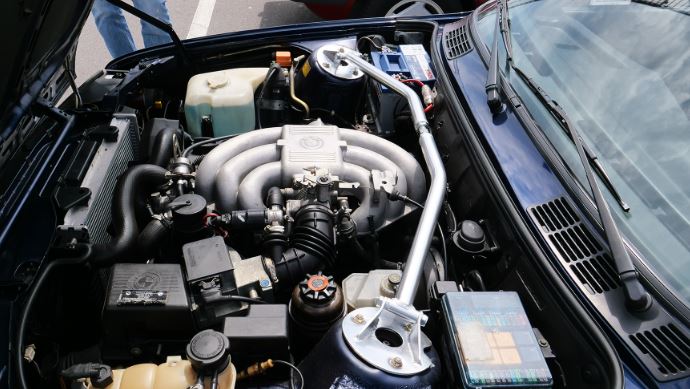
Quick Answer
A vibrating engine is commonly caused by worn engine mounts, engine misfires, faulty spark plugs, ignition problems, fuel delivery issues, vacuum leaks, or internal engine damage. The severity ranges from minor maintenance issues to major mechanical failures, depending on the source of the vibration.
The key is identifying when the vibration occurs. Does it happen at idle, during acceleration, while stopped at a traffic light, or only at highway speeds? These clues can help pinpoint the root cause.
Common Causes of Engine Vibration
Worn or Broken Engine Mounts
Engine mounts secure the engine to the vehicle’s frame while absorbing normal engine movement.
When an engine mount wears out or breaks, the engine can move excessively and transfer vibrations directly into the cabin.
Common symptoms include:
- Strong vibration at idle
- Clunking noises when accelerating
- Excessive engine movement
- Increased vibration in gear
Engine mounts are often overlooked because they wear gradually over time.
Misfiring Engine
One of the most common reasons an engine vibrates is a misfire.
A misfire occurs when one or more cylinders fail to burn fuel properly. Instead of producing smooth power, the engine becomes unbalanced and begins shaking.
Misfires may result from:
- Bad spark plugs
- Faulty ignition coils
- Fuel injector problems
- Vacuum leaks
- Low compression
In many cases, the Check Engine Light will illuminate.
Faulty Spark Plugs
Spark plugs are responsible for igniting the air-fuel mixture inside the cylinders.
Worn, fouled, or damaged spark plugs can cause incomplete combustion, leading to rough running and noticeable vibration.
Signs of bad spark plugs include:
- Rough idle
- Hard starting
- Reduced fuel economy
- Hesitation during acceleration
Replacing spark plugs is often one of the least expensive vibration-related repairs.
Ignition Coil Problems
Modern engines use ignition coils to provide voltage to the spark plugs.
When an ignition coil fails, the affected cylinder may stop firing correctly, resulting in:
- Engine shaking
- Misfires
- Check Engine Light
- Loss of power
Many drivers describe the feeling as though the engine is “running on fewer cylinders.”
Vacuum Leaks
A vacuum leak allows unmetered air to enter the engine.
This disrupts the air-fuel ratio and can create rough idle conditions, hesitation, and vibration.
Vacuum leaks commonly occur due to:
- Cracked hoses
- Damaged intake manifold gaskets
- Faulty PCV valves
- Loose vacuum connections
Dirty or Clogged Fuel Injectors
Fuel injectors deliver fuel into each cylinder.
Over time, deposits can build up and restrict fuel flow.
Uneven fuel delivery can cause:
- Rough idle
- Engine vibration
- Poor acceleration
- Increased fuel consumption
Professional injector cleaning often restores proper performance.
Air Intake System Issues
The engine requires a precise amount of air for efficient combustion.
Problems involving the air intake system may include:
- Dirty air filters
- Faulty mass airflow sensors
- Intake leaks
- Throttle body contamination
Any disruption to airflow can affect engine smoothness.
Low Engine Compression
Compression is essential for combustion.
Low compression in one or more cylinders may result from:
- Burned valves
- Worn piston rings
- Blown head gasket
- Internal engine damage
Compression-related issues often produce severe vibration and reduced power.
Timing Belt or Timing Chain Problems
If valve timing becomes incorrect, engine performance can deteriorate rapidly.
Symptoms may include:
- Rough idle
- Engine shaking
- Misfires
- Poor acceleration
Ignoring timing system issues can lead to catastrophic engine damage in some vehicles.
Harmonic Balancer Failure
The harmonic balancer helps absorb crankshaft vibrations.
A failing balancer can cause:
- Excessive vibration
- Wobbling crank pulley
- Belt noise
- Engine shaking at various RPMs
This issue is more common on high-mileage vehicles.
When Does the Engine Vibration Occur?
Engine Vibrates at Idle
Idle vibrations often indicate:
- Engine mount problems
- Vacuum leaks
- Misfires
- Dirty throttle body
If the vibration lessens when RPM increases, focus on idle-related systems.
Engine Vibrates During Acceleration
Acceleration-related vibration commonly points to:
- Ignition issues
- Fuel delivery problems
- Transmission concerns
- Damaged engine mounts
Engine Vibrates at High Speeds
Not all high-speed vibrations come from the engine.
Possible causes include:
- Wheel imbalance
- Tire defects
- Driveline issues
- Harmonic balancer problems
Proper diagnosis is important before replacing parts.
Engine Vibrates When Starting
Startup vibration can indicate:
- Weak ignition components
- Fuel pressure issues
- Excessive carbon buildup
- Engine mount wear
Engine Vibrates When Stopped in Drive
Vehicles that vibrate while stopped but in gear often suffer from:
- Worn mounts
- Rough idle conditions
- Minor engine misfires
Symptoms That Often Accompany Engine Vibration
Check Engine Light
A Check Engine Light combined with vibration frequently suggests:
- Misfires
- Ignition faults
- Fuel system issues
- Sensor failures
Diagnostic trouble codes can significantly reduce troubleshooting time.
Rough Idle
A rough idle often feels like the vehicle is shaking while stationary.
This symptom commonly accompanies:
- Misfires
- Vacuum leaks
- Fuel injector problems
Loss of Power
If the engine vibrates and struggles to accelerate, combustion problems may be affecting performance.
Poor Fuel Economy
Incomplete combustion wastes fuel and reduces efficiency.
Strange Noises or Knocking Sounds
Knocking, ticking, or clunking noises can provide valuable clues regarding the source of the vibration.
Excessive Exhaust Smoke
Smoke combined with vibration may indicate:
- Internal engine damage
- Oil burning
- Coolant leaks
- Compression loss
Is It Safe to Drive With a Vibrating Engine?
Quick Answer
It depends on the cause. Minor vibrations caused by worn mounts may allow limited driving, while vibrations caused by misfires, overheating, or internal engine damage should be addressed immediately. Continuing to drive can increase repair costs and potentially cause further damage.
If the vibration appears suddenly or becomes severe, avoid long trips until the vehicle has been inspected.
How to Diagnose an Engine Vibration Problem
Step 1: Check for Warning Lights
Look for:
- Check Engine Light
- EPC Light
- Reduced Power messages
These indicators provide valuable diagnostic information.
Step 2: Listen for Unusual Sounds
Pay attention to:
- Knocking
- Ticking
- Clunking
- Hissing noises
Different sounds often point toward specific faults.
Step 3: Inspect Engine Mounts
Check for:
- Cracked rubber
- Excessive movement
- Fluid leakage from hydraulic mounts
Step 4: Scan for Diagnostic Trouble Codes
An OBD-II scanner can reveal:
- Misfire codes
- Sensor failures
- Fuel system faults
Even inexpensive scanners can save hours of guesswork.
Step 5: Check Spark Plugs and Ignition Components
Inspect:
- Spark plugs
- Coil packs
- Plug wires (if equipped)
Many vibration problems originate here.
Step 6: Inspect the Fuel and Air Systems
Evaluate:
- Air filter condition
- Fuel injector performance
- Vacuum hoses
- Intake components
Common Misdiagnosis Mistakes
Confusing Tire Vibrations With Engine Vibrations
Wheel-related vibrations often occur at specific speeds, while engine-related vibrations usually correlate with RPM.
Replacing Spark Plugs Without Testing
Although spark plugs commonly cause vibration, blindly replacing parts can become expensive.
Ignoring Engine Mount Damage
Engine mounts can create dramatic vibrations even when the engine itself is healthy.
Assuming the Problem Is Fuel-Related
Not every vibration stems from the fuel system. Mechanical and electrical issues must also be considered.
Repair Costs for Common Engine Vibration Causes
| Repair | Typical Cost |
|---|---|
| Spark Plug Replacement | $100–$400 |
| Ignition Coil Replacement | $150–$600 |
| Engine Mount Replacement | $200–$1,200 |
| Fuel Injector Cleaning | $100–$300 |
| Fuel Injector Replacement | $200–$1,500 |
| Timing Belt Replacement | $500–$1,500 |
| Harmonic Balancer Replacement | $250–$900 |
| Major Engine Repair | $2,000–$8,000+ |
Actual costs vary by vehicle make, model, labor rates, and location.
Preventing Engine Vibration Problems
Follow Scheduled Maintenance
Routine maintenance remains the best defense against engine-related issues.
Replace Ignition Components on Time
Ignoring worn spark plugs can create larger ignition system problems.
Address Check Engine Lights Early
Early diagnosis often prevents costly repairs.
Use Quality Fuel and Oil
Proper lubrication and fuel quality help maintain smooth engine operation.
Inspect Mounts and Belts Regularly
Periodic inspections can catch wear before severe vibration develops.
Frequently Asked Questions
Why does my engine vibrate when idling?
The most common causes are worn engine mounts, misfires, dirty throttle bodies, or vacuum leaks.
Can bad spark plugs cause engine vibration?
Yes. Worn or fouled spark plugs frequently cause misfires that make the engine shake.
Will a misfire make the engine shake?
Absolutely. A cylinder that fails to fire properly creates an imbalance that often results in noticeable vibration.
Can low oil cause engine vibration?
Yes. Low oil can increase internal friction and lead to abnormal engine operation.
Why does my car vibrate only when accelerating?
Acceleration-related vibration may stem from ignition issues, fuel delivery problems, engine mounts, or drivetrain components.
How do I know if an engine mount is bad?
Look for excessive vibration, clunking noises, and visible engine movement.
Can a vacuum leak cause rough idle and vibration?
Yes. Vacuum leaks alter the air-fuel mixture and commonly cause rough running.
Is engine vibration expensive to repair?
Repair costs range from under $100 for simple fixes to several thousand dollars for major engine repairs.
Why does the steering wheel vibrate when the engine runs?
This may result from engine vibration transferring through the chassis or from wheel and suspension issues.
Can dirty fuel injectors make an engine shake?
Yes. Uneven fuel delivery can cause rough combustion and vibration.
What does a vibrating engine sound like?
It may produce rough humming, rattling, knocking, or shaking sensations depending on the cause.
Should I drive if my engine suddenly starts vibrating?
If the vibration is severe or accompanied by warning lights, reduced power, or unusual noises, stop driving and inspect the vehicle as soon as possible.
Conclusion
Engine vibration is one of those symptoms that should never be ignored. While some causes are relatively minor, such as worn spark plugs or aging engine mounts, others can indicate serious mechanical problems that become far more expensive if left unresolved.
The first step is paying attention to when the vibration occurs. A shake at idle often points toward engine mounts, vacuum leaks, or misfires, while vibration during acceleration may indicate ignition, fuel, or timing-related issues. Understanding these patterns can dramatically speed up diagnosis.
In real-world repair shops, engine misfires and worn engine mounts account for a large percentage of vibration complaints. However, experienced technicians know that every symptom must be verified through proper testing rather than assumptions. Replacing parts without diagnosis frequently leads to wasted money and frustration.
If your engine has recently started vibrating, inspect the obvious maintenance items first, check for warning lights, and scan the vehicle for trouble codes whenever possible. Catching problems early can prevent damage to expensive components and help keep repair costs manageable.
Most importantly, if the vibration becomes severe, is accompanied by knocking noises, overheating, or a flashing Check Engine Light, stop driving and seek professional diagnosis immediately. Addressing the issue quickly is often the difference between a simple repair and a major engine rebuild.
Artículos relacionados

What Causes Rough Idle? Common Causes, Symptoms, and Fixes Explained
If your vehicle shakes, vibrates, or feels uneven while sitting at a stoplight, you're probably asking yourself: what causes rough…
Why Is My Engine Making Noise? Common Causes, Diagnosis, and Fixes
Introduction If you've been asking yourself, why is my engine making noise, you're not alone. Unusual engine noises are among…

Why Does My Car Shut Off While Driving? Common Causes, Warning Signs, and Fixes
Few automotive problems are more alarming than having your car suddenly shut off while driving. Whether it happens on a…

Why Is Blue Smoke Coming From My Exhaust? Causes, Symptoms, and Fixes
Blue smoke coming from the exhaust usually means your engine is burning oil. While small amounts of smoke during startup…

Why Is Black Smoke Coming From My Exhaust? Causes, Diagnosis, and Fixes
Introduction Seeing black smoke coming from your exhaust can be alarming, especially if your vehicle was running normally before the…

Why Is White Smoke Coming From My Exhaust? Causes, Diagnosis, and Solutions
Seeing white smoke coming from your exhaust can be alarming, especially if it appears suddenly or continues after the engine…