
A vehicle that suddenly refuses to start can be frustrating, especially when you’re unsure whether the battery, alternator, or starter motor is to blame. Understanding the symptoms of a bad starter motor can help you diagnose the issue quickly and avoid unnecessary repairs.
The starter motor is responsible for cranking the engine when you turn the key or press the start button. When it begins to fail, it often gives warning signs before complete failure occurs. In this guide, you’ll learn how to recognize those symptoms, determine whether the starter is actually the problem, and understand what repairs may be needed.
Symptoms of a Bad Starter Motor
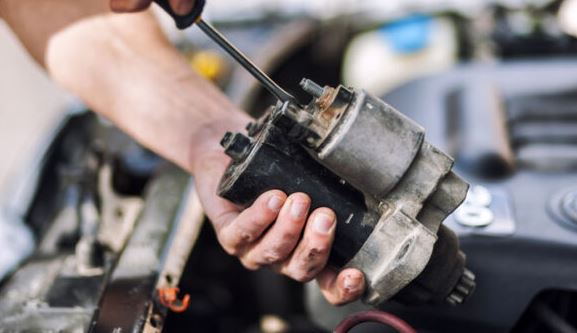
The starter motor is a powerful electric motor that turns the engine over during startup. Once the engine begins running on its own, the starter disengages and stops operating.
The starter system typically consists of:
- Starter motor
- Starter solenoid
- Battery
- Ignition switch
- Flywheel or flexplate
- Electrical wiring and connections
When any part of this system fails, starting problems can occur.
What Are the Symptoms of a Bad Starter Motor?
Quick Answer
The most common symptoms of a bad starter motor include clicking noises, the engine not cranking, intermittent starting problems, grinding sounds during startup, smoke from the starter area, and situations where dashboard lights work but the engine won’t turn over.
Clicking Noise When Turning the Key
A single loud click is one of the classic signs of a failing starter.
The click often comes from the starter solenoid attempting to engage, but the motor itself fails to spin.
This symptom may occur because of:
- Worn starter motor brushes
- Internal starter failure
- Faulty solenoid
- Poor electrical connections
Engine Won’t Crank
One of the most obvious symptoms is when the engine simply refuses to turn over.
You may turn the key or push the start button and hear:
- Nothing at all
- A single click
- Multiple clicks
In many cases, the lights and electronics still function normally.
Slow or Intermittent Cranking
A failing starter may crank the engine slowly or inconsistently.
For example:
- The vehicle starts normally one day.
- The next day it struggles to crank.
- Later it may start perfectly again.
Intermittent operation often points to worn internal components.
Grinding Noise During Startup
A grinding noise can indicate that the starter gear is not properly engaging the flywheel.
This is a serious symptom because continued grinding can damage:
- Flywheel teeth
- Starter gear
- Starter drive mechanism
If you hear grinding repeatedly, repairs should not be delayed.
Starter Spins But Engine Doesn’t Start
Sometimes the starter motor spins rapidly, but the engine does not crank.
Drivers often describe it as a “whirring” sound.
This usually means:
- Starter drive gear failure
- Damaged flywheel teeth
- Faulty starter engagement mechanism
Smoke Coming From the Starter Area
Smoke is never normal.
A bad starter can overheat because of:
- Excessive cranking
- Electrical shorts
- Internal mechanical failure
If smoke appears, stop attempting to start the vehicle immediately.
Burning Electrical Smell
A burning odor near the engine compartment may indicate overheated starter components.
Common causes include:
- Electrical overload
- Short circuits
- Worn starter windings
- Excessive resistance in wiring
Dashboard Lights Turn On But Engine Doesn’t Start
This symptom often confuses vehicle owners.
If the lights, radio, and accessories work normally but the engine won’t crank, the starter becomes a primary suspect.
Many drivers mistakenly replace the battery first when the starter is actually failing.
Vehicle Starts Sometimes and Fails Other Times
Intermittent starter failure is extremely common.
The vehicle may:
- Start perfectly for several days
- Suddenly fail to crank
- Start again after several attempts
This often happens because internal starter contacts become worn.
How to Tell if the Starter Motor Is Bad
Quick Answer
The best way to diagnose a bad starter is to verify battery condition first, inspect electrical connections, listen to startup noises, and perform voltage and starter draw tests.
Listen for Starter Noises
The sounds your vehicle makes during startup can reveal a lot.
| Sound | Possible Cause |
|---|---|
| Single click | Bad starter solenoid |
| Rapid clicking | Weak battery |
| Grinding | Starter gear or flywheel damage |
| Whirring | Starter spinning freely |
| No sound | Electrical fault or failed starter |
Check Battery Condition First
Many starter symptoms resemble battery problems.
Before replacing the starter:
- Measure battery voltage
- Inspect terminals
- Test battery health
A healthy battery should read approximately 12.6 volts with the engine off.
Inspect Starter Connections
Loose or corroded wiring can prevent proper starter operation.
Inspect:
- Battery cables
- Ground straps
- Starter terminals
- Electrical connectors
Test Starter Voltage
A voltage drop test helps determine whether the starter is receiving adequate power.
Low voltage at the starter can mimic starter failure.
Perform a Starter Draw Test
Professional technicians often perform an amperage draw test.
Excessive current draw usually indicates internal starter problems.
Bad Starter vs Bad Battery
Quick Answer
A bad battery typically causes weak cranking and rapid clicking, while a bad starter often causes a single click, intermittent starting, or no cranking despite good battery voltage.
Symptoms More Commonly Caused by a Bad Battery
- Dim lights
- Slow cranking
- Rapid clicking
- Frequent jump-starts
- Low battery voltage
Symptoms More Commonly Caused by a Bad Starter
- Single click
- No crank with good battery
- Grinding noises
- Intermittent no-start conditions
- Starter spinning without engagement
Simple Diagnostic Check
If a jump-start does not improve cranking performance, the starter may be the culprit.
Bad Starter vs Bad Alternator
Although these components are often confused, they perform very different functions.
Bad Starter Symptoms
- Engine won’t crank
- Clicking noises
- Intermittent starting
Bad Alternator Symptoms
- Battery warning light
- Dead battery after driving
- Flickering lights
- Electrical issues while driving
The alternator charges the battery while the engine runs. The starter only operates during startup.
Can You Drive With a Bad Starter Motor?
Quick Answer
Once the engine is running, a bad starter typically does not affect driving. However, the vehicle may fail to restart after being shut off.
Situations Where Driving May Still Be Possible
If the starter is only intermittently failing, you may still be able to start and drive the vehicle.
When the Vehicle May Leave You Stranded
Starter problems usually worsen over time.
Eventually, the starter may fail completely and prevent the engine from starting at all.
Common Causes of Starter Motor Failure
Normal Wear and Tear
Most starters last between 100,000 and 200,000 miles.
Over time, internal components naturally wear out.
Heat Damage
Starters are often located near hot engine and exhaust components.
Excessive heat can damage:
- Windings
- Solenoids
- Internal insulation
Oil Leaks Contaminating the Starter
Engine oil leaking onto the starter can shorten its lifespan.
Oil contamination attracts dirt and accelerates wear.
Electrical Problems
Poor electrical connections can cause:
- Excessive resistance
- Overheating
- Reduced starter performance
Worn Solenoid Contacts
Starter solenoids contain contacts that wear down over time.
This often causes intermittent no-start conditions.
Damaged Flywheel Teeth
Damaged flywheel teeth can prevent proper starter engagement and create grinding noises.
Step-by-Step Troubleshooting Guide
Step 1: Check Battery Voltage
Verify battery health before diagnosing the starter.
Step 2: Inspect Battery Terminals
Ensure all connections are clean and secure.
Step 3: Listen for Starter Operation
Identify clicks, grinding, or other unusual sounds.
Step 4: Check Starter Wiring
Inspect cables and connections for damage or corrosion.
Step 5: Test the Starter Motor
Perform voltage and current draw testing if available.
Common Starter Motor Problems by Symptom
Single Click But No Crank
Usually caused by:
- Failed solenoid
- Internal starter failure
- Poor electrical connection
Rapid Clicking Noise
Most commonly associated with a weak battery.
Grinding During Startup
May indicate:
- Worn starter gear
- Damaged flywheel teeth
- Improper starter engagement
Starter Runs Continuously
A sticking solenoid can cause the starter to remain engaged after startup.
No Noise at All
Potential causes include:
- Failed starter
- Faulty ignition switch
- Wiring issues
- Blown fuse
Starter Motor Repair vs Replacement
When Repair May Be Possible
Some starters can be rebuilt by replacing:
- Brushes
- Bearings
- Solenoids
When Replacement Is Recommended
Most modern repair shops replace the entire starter assembly due to reliability concerns.
Cost Comparison
Replacement is usually faster and often more cost-effective than rebuilding.
How Much Does Starter Motor Replacement Cost?
Costs vary by vehicle make and model.
Parts Cost
Typical starter prices:
- Economy vehicles: $100–$250
- Mid-size vehicles: $150–$400
- Luxury vehicles: $300–$800+
Labor Cost
Labor typically ranges from:
- $100–$500
Some vehicles require extensive disassembly to access the starter.
Factors That Affect Repair Pricing
- Vehicle design
- Engine size
- Starter location
- Parts quality
How to Prevent Starter Motor Failure
Maintain Battery Health
Weak batteries place additional strain on the starter.
Fix Oil Leaks Promptly
Prevent oil contamination from reaching starter components.
Avoid Excessive Cranking
If the engine doesn’t start after several attempts, diagnose the issue instead of continuously cranking.
Inspect Electrical Connections Regularly
Clean, tight connections improve starter reliability and lifespan.
Frequently Asked Questions
What is the most common symptom of a bad starter motor?
A single click accompanied by a no-crank condition is one of the most common symptoms.
Can a bad starter work intermittently?
Yes. Many failing starters operate inconsistently before complete failure occurs.
Will a bad starter drain a battery?
Normally no, but a sticking starter can contribute to battery drain.
Why does my car click but not start?
The issue may involve the starter, solenoid, battery, or electrical connections.
Can you jump-start a car with a bad starter?
A jump-start usually won’t fix a starter failure.
How long does a starter motor last?
Most starters last between 100,000 and 200,000 miles.
What does a failing starter sound like?
Common sounds include clicking, grinding, and whirring noises.
Can a bad starter damage the flywheel?
Yes. Continued grinding can wear or break flywheel teeth.
Is replacing a starter difficult?
Difficulty varies by vehicle. Some are simple, while others require significant labor.
Can cold weather affect a starter motor?
Yes. Cold temperatures can reveal existing starter weaknesses.
How do mechanics test a starter?
They use voltage, resistance, and current draw testing along with physical inspections.
Should I replace the battery and starter together?
Not necessarily. Replace only the component that has failed unless both show signs of wear.
Conclusion
A failing starter motor rarely stops working without warning. In most cases, it provides clear symptoms such as clicking noises, intermittent no-start conditions, grinding sounds, slow cranking, or situations where the dashboard lights function normally but the engine refuses to turn over. Recognizing these warning signs early can help prevent unexpected breakdowns and reduce diagnostic costs.
One of the biggest challenges in diagnosing starting problems is that battery, alternator, and starter issues often share similar symptoms. That’s why proper testing is critical before replacing any parts. Checking battery voltage, inspecting electrical connections, and listening carefully to startup sounds can often reveal the true source of the problem.
From years of real-world vehicle diagnostics, intermittent starting issues are among the strongest indicators of a starter nearing the end of its service life. Many drivers ignore occasional no-start events until the vehicle eventually refuses to start altogether. Addressing the issue early can prevent getting stranded and may even avoid damage to related components such as the flywheel.
If your vehicle is showing multiple symptoms discussed in this guide, a professional inspection is recommended. A starter motor is a relatively small component, but when it fails, your vehicle becomes completely dependent on repairs before it can be driven again. Identifying the problem quickly is the best way to restore reliability and avoid unnecessary frustration.
Artículos relacionados
How to Jump Start a Car Safely: Step-by-Step Guide for Beginners
A dead battery is one of the most common reasons a vehicle suddenly won’t start. If you know how to…
Common Car Electrical Problems: Causes, Symptoms, and Fixes Explained
Introduction Electrical systems are responsible for far more than just starting your vehicle. Modern cars rely on dozens of electronic…

Why Are My Car Lights Flickering? Causes, Diagnosis, and Fixes
Introduction If you're wondering why are my car lights flickering, you're not alone. Flickering headlights, dashboard lights, or interior lights…
How to Test a Car Battery: Simple Methods to Check Battery Health
Introduction A weak or failing battery can leave you stranded without warning. Knowing how to test a car battery is…
Symptoms of a Bad Alternator: Warning Signs You Should Never Ignore
Introduction The symptoms of a bad alternator can range from dim headlights and battery warning lights to complete engine stalling.…
Why Does My Car Battery Keep Dying? Common Causes and Proven Fixes
A car battery that repeatedly dies can be frustrating, inconvenient, and sometimes expensive to diagnose. If you're asking "why does…