
Introduction
Electrical systems are responsible for far more than just starting your vehicle. Modern cars rely on dozens of electronic components, sensors, modules, wiring harnesses, and control units to operate properly. When something goes wrong, electrical faults can cause a wide range of confusing symptoms, from intermittent starting problems to malfunctioning lights and warning messages.
If you’re dealing with common car electrical problems, identifying the root cause early can save time, money, and frustration. This guide covers the most frequent electrical issues drivers encounter, how to diagnose them, whether they’re serious, and what repairs may be needed.
Common Car Electrical Problems
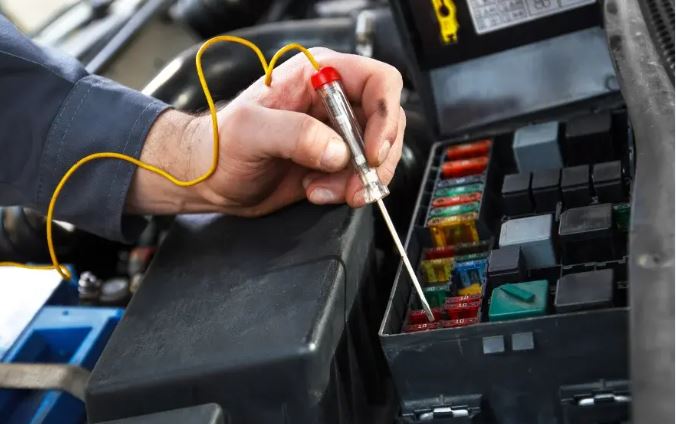
Quick Answer: The most common car electrical problems include dead batteries, faulty alternators, blown fuses, bad wiring connections, starter motor failures, parasitic battery drains, malfunctioning sensors, and electrical shorts. These issues often cause starting difficulties, warning lights, dim lights, or electronic system malfunctions.
Modern vehicles depend heavily on electrical systems. Even a minor fault can affect multiple components and create symptoms that seem unrelated.
Some electrical issues develop gradually, while others appear suddenly and leave the vehicle unable to start.
Dead or Weak Car Battery
Quick Answer: A weak battery is the most common electrical issue in vehicles. Symptoms include slow engine cranking, clicking sounds during startup, dim headlights, and repeated jump-start requirements.
Common Symptoms
- Engine cranks slowly
- Clicking noise when turning the key
- Interior lights appear dim
- Vehicle requires jump-starts
- Dashboard warning lights flicker
Common Causes
- Battery age (typically 3–5 years)
- Extreme temperatures
- Corroded battery terminals
- Leaving lights on overnight
- Charging system issues
Can You Keep Driving?
If the vehicle starts normally, you may be able to drive temporarily. However, if the battery is failing, you risk becoming stranded.
Typical Repair Cost
| Repair | Approximate Cost |
|---|---|
| Battery terminal cleaning | $20–$80 |
| New battery | $100–$350 |
| Battery testing | Free–$50 |
Faulty Alternator Problems
Quick Answer: The alternator charges the battery while the engine runs. A failing alternator can cause battery warning lights, dim headlights, electrical glitches, and eventually a complete breakdown.
Symptoms of a Bad Alternator
- Battery warning light illuminated
- Flickering headlights
- Weak electrical accessories
- Dead battery after driving
- Burning smell from engine bay
Mechanic Insight
Many drivers replace the battery when the real problem is a failing alternator. If a new battery dies within days or weeks, always test the charging system.
Can You Drive With a Bad Alternator?
Only for a short distance. Once the battery loses charge, the vehicle may stall and fail to restart.
Typical Repair Cost
| Repair | Approximate Cost |
|---|---|
| Alternator replacement | $300–$900 |
| Drive belt replacement | $100–$300 |
Bad Starter Motor
Quick Answer: A faulty starter prevents the engine from cranking even when the battery has sufficient power.
Common Symptoms
- Single click when turning key
- No engine cranking
- Intermittent starting issues
- Dashboard lights work normally
Common Misdiagnosis
Many people assume a no-start condition automatically means a dead battery. In reality, the starter motor can fail while the battery remains fully charged.
Typical Repair Cost
| Repair | Approximate Cost |
|---|---|
| Starter replacement | $250–$800 |
Blown Fuses
Electrical circuits are protected by fuses designed to fail before expensive components are damaged.
Signs of a Blown Fuse
- Power windows stop working
- Radio loses power
- Interior lights fail
- Horn stops functioning
- Specific accessory becomes inoperative
How to Identify a Blown Fuse
Most vehicles include fuse diagrams inside the fuse box cover. A visual inspection often reveals a broken metal strip inside the fuse.
Typical Repair Cost
- Fuse replacement: $1–$20
- Diagnostic inspection: $50–$150
Corroded Battery Terminals and Ground Connections
Quick Answer: Corrosion creates resistance that limits electrical flow. Even a healthy battery may struggle to provide sufficient power if terminals are corroded.
Common Symptoms
- Intermittent starting
- Random electrical glitches
- Slow cranking
- Flickering lights
Mechanic Tip
Always inspect battery terminals before replacing expensive components. Corrosion is one of the easiest and cheapest electrical issues to fix.
Typical Repair Cost
| Repair | Approximate Cost |
|---|---|
| Terminal cleaning | $20–$80 |
| Terminal replacement | $30–$150 |
Parasitic Battery Drain
Quick Answer: A parasitic drain occurs when an electrical component continues drawing power after the vehicle is turned off.
Common Causes
- Faulty relays
- Stuck control modules
- Aftermarket alarms
- Dash cameras
- Interior lights remaining on
Symptoms
- Battery repeatedly dies overnight
- Vehicle starts fine after charging
- New battery also goes dead
Diagnosing Parasitic Draw
Professional technicians use ammeters to measure current flow with the ignition off and isolate the affected circuit.
Typical Repair Cost
| Repair | Approximate Cost |
|---|---|
| Electrical diagnosis | $100–$300 |
| Component replacement | Varies |
Wiring Problems and Electrical Shorts
Damaged wiring is among the most difficult electrical problems to diagnose.
Common Causes
- Rodent damage
- Collision repairs
- Heat exposure
- Corrosion
- Poor aftermarket installations
Symptoms
- Random warning lights
- Intermittent electrical failures
- Repeated fuse failures
- Vehicle stalling unexpectedly
Real-World Example
A damaged wire near the engine compartment may only lose contact when the engine vibrates, creating intermittent problems that are difficult to reproduce during inspection.
Typical Repair Cost
| Repair | Approximate Cost |
|---|---|
| Minor wiring repair | $100–$300 |
| Harness replacement | $500–$2,500+ |
Malfunctioning Sensors
Modern vehicles rely on dozens of sensors for engine management and safety systems.
Frequently Failing Sensors
- Crankshaft position sensor
- Camshaft position sensor
- Oxygen sensor
- Mass airflow sensor
- Wheel speed sensor
Symptoms
- Check Engine Light
- Rough idle
- Poor fuel economy
- Stalling
- Transmission issues
Can You Keep Driving?
It depends on the sensor involved. Some failures affect drivability immediately, while others mainly impact fuel efficiency.
Headlight and Lighting System Problems
Lighting faults often originate from electrical issues rather than simply burned-out bulbs.
Common Causes
- Bad bulbs
- Faulty relays
- Wiring issues
- Ground faults
- Headlight control module failures
Symptoms
- Flickering headlights
- One headlight not working
- Dim illumination
- Lights operating intermittently
Typical Repair Cost
| Repair | Approximate Cost |
|---|---|
| Bulb replacement | $20–$150 |
| Relay replacement | $30–$150 |
| Wiring repair | $100–$500 |
Dashboard Warning Lights Caused by Electrical Issues
Electrical faults frequently trigger warning lights even when the affected system is mechanically sound.
Common warning lights include:
- Check Engine Light
- Battery Light
- ABS Light
- Airbag Light
- Traction Control Light
Common Misdiagnosis Mistake
Many drivers replace parts based solely on a warning light code. Professional diagnosis should verify wiring, connectors, power supply, and grounds before replacing components.
How to Diagnose Common Car Electrical Problems
Quick Answer: Start with the battery and charging system. Most electrical issues originate from low voltage, poor grounds, damaged wiring, or charging system failures.
Step 1: Check Battery Voltage
A healthy battery typically reads:
- 12.6 volts with engine off
- 13.5–14.8 volts with engine running
Step 2: Inspect Battery Connections
Look for:
- Corrosion
- Loose terminals
- Damaged cables
Step 3: Check Fuses
Inspect affected circuits and replace blown fuses.
Step 4: Scan for Diagnostic Trouble Codes
A quality scan tool can identify sensor and module faults.
Step 5: Inspect Wiring
Look for:
- Frayed wires
- Burn marks
- Rodent damage
- Loose connectors
When Electrical Problems Become Serious
Some electrical faults are minor inconveniences, while others can leave you stranded or create safety concerns.
Seek immediate diagnosis if you notice:
- Burning electrical smells
- Smoke from wiring
- Repeated blown fuses
- Vehicle stalling while driving
- Multiple warning lights appearing simultaneously
- Complete loss of electrical power
Ignoring these symptoms can lead to more expensive repairs and potential safety risks.
Conclusion
Common car electrical problems can range from a simple blown fuse to complex wiring failures hidden deep within the vehicle. In many cases, the symptoms point drivers toward the wrong component, leading to unnecessary parts replacement and wasted money. That’s why a systematic diagnostic approach is so important.
The battery, alternator, starter, fuses, and wiring connections should always be checked first because they account for a large percentage of electrical failures. Modern vehicles are increasingly dependent on electronics, making proper diagnosis more important than ever. A weak battery can trigger warning lights, a failing alternator can mimic battery problems, and a damaged wire can create symptoms that appear unrelated to the actual fault.
From years of real-world troubleshooting, one lesson stands out: never assume the most obvious part is the failed part. Many expensive repairs could have been avoided by testing voltage, inspecting grounds, and checking wiring before replacing components.
If your vehicle shows signs such as intermittent starting, flickering lights, unexplained warning lights, or recurring battery failures, address the issue early. Small electrical faults often become larger and more costly when ignored. A proper diagnosis not only restores reliability but can also prevent breakdowns and protect other vehicle systems from damage.
Frequently Asked Questions
What is the most common electrical problem in a car?
A weak or dead battery is the most common electrical issue affecting vehicles.
Can a bad alternator drain a battery?
Yes. A failing alternator may not recharge the battery properly, causing it to discharge while driving.
Why does my car battery keep dying overnight?
A parasitic electrical drain, faulty module, or accessory drawing power while the vehicle is off is often responsible.
Can electrical problems cause a car not to start?
Yes. Batteries, starters, alternators, wiring faults, and ignition issues can all prevent starting.
What causes headlights to flicker?
Low voltage, alternator issues, loose connections, or failing bulbs are common causes.
Is it safe to drive with the battery warning light on?
Not for long. The charging system may fail completely, leaving the vehicle stranded.
How much does electrical diagnosis cost?
Most shops charge between $100 and $300 for professional electrical diagnostics.
Can a blown fuse stop a car from starting?
Yes. Certain fuses control ignition, fuel delivery, and engine management systems.
What are signs of a bad ground connection?
Intermittent electrical issues, dim lights, hard starting, and random warning lights are common symptoms.
How long does a car battery usually last?
Most batteries last between three and five years under normal conditions.
Can rodents cause electrical problems in cars?
Yes. Rodents frequently chew wiring insulation, causing shorts and electrical faults.
Why do multiple warning lights come on at once?
Low system voltage from a weak battery or failing alternator is a common cause.
Can electrical problems affect fuel economy?
Yes. Faulty sensors and electrical components can reduce engine efficiency and increase fuel consumption.
What tool is used to diagnose electrical problems?
Technicians commonly use multimeters, test lights, scan tools, and oscilloscopes.
Should I replace parts before diagnosing electrical issues?
No. Proper testing should always be performed before replacing components.
Artículos relacionados
Symptoms of a Bad Starter Motor: Warning Signs You Should Never Ignore
A vehicle that suddenly refuses to start can be frustrating, especially when you're unsure whether the battery, alternator, or starter…
How to Jump Start a Car Safely: Step-by-Step Guide for Beginners
A dead battery is one of the most common reasons a vehicle suddenly won’t start. If you know how to…
Why Are My Car Lights Flickering? Causes, Diagnosis, and Fixes
Introduction If you're wondering why are my car lights flickering, you're not alone. Flickering headlights, dashboard lights, or interior lights…
How to Test a Car Battery: Simple Methods to Check Battery Health
Introduction A weak or failing battery can leave you stranded without warning. Knowing how to test a car battery is…
Symptoms of a Bad Alternator: Warning Signs You Should Never Ignore
Introduction The symptoms of a bad alternator can range from dim headlights and battery warning lights to complete engine stalling.…
Why Does My Car Battery Keep Dying? Common Causes and Proven Fixes
A car battery that repeatedly dies can be frustrating, inconvenient, and sometimes expensive to diagnose. If you're asking "why does…