
Introduction
A weak or failing battery can leave you stranded without warning. Knowing how to test a car battery is an essential skill for any vehicle owner, whether you’re dealing with slow engine cranking, electrical issues, or a car that won’t start.
Fortunately, testing a car battery is relatively simple and can often be done at home with basic tools. This guide explains how to check your battery’s condition, identify signs of failure, and determine whether it needs charging or replacement.
How to Test a Car Battery
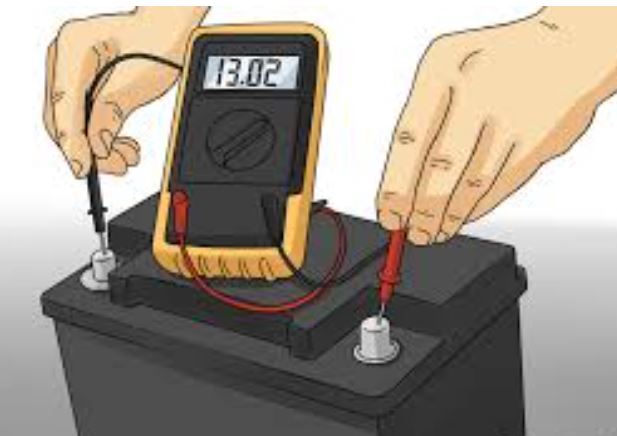
Quick Answer: Testing a car battery helps determine whether it can provide enough power to start the engine and support the vehicle’s electrical systems. Regular testing can reveal problems before the battery fails completely.
Most automotive batteries last between 3 and 5 years, but factors such as extreme temperatures, frequent short trips, and charging system problems can shorten their lifespan.
Common symptoms of a weak battery include:
- Slow engine cranking
- Clicking noises when starting
- Dim headlights
- Electrical accessories working poorly
- Battery warning light on the dashboard
- Needing frequent jump starts
Tools Needed to Test a Car Battery
Depending on the testing method, you may need:
| Tool | Purpose |
|---|---|
| Digital multimeter | Measures battery voltage |
| Battery load tester | Tests battery performance under load |
| Battery analyzer | Provides detailed battery health information |
| Safety gloves | Protects hands |
| Safety glasses | Protects eyes from battery acid |
A digital multimeter is the most common and affordable tool for home diagnostics.
How to Test a Car Battery With a Multimeter
Step 1: Turn Off the Vehicle
Ensure:
- Engine is off
- Headlights are off
- Accessories are off
- Vehicle has been sitting for at least 30 minutes if possible
This allows the battery voltage to stabilize.
Step 2: Set the Multimeter
Set the multimeter to:
- DC Voltage (V⎓)
- 20-volt range or automatic range
Step 3: Connect the Leads
Connect:
- Red lead to the positive (+) battery terminal
- Black lead to the negative (-) battery terminal
Ensure good contact with the terminals.
Step 4: Read the Voltage
Compare your reading to the table below.
| Battery Voltage | Condition |
|---|---|
| 12.6–12.8 V | Fully charged |
| 12.4–12.5 V | Good condition |
| 12.2–12.3 V | Partially discharged |
| 12.0–12.1 V | Weak battery |
| Below 12.0 V | Severely discharged |
| Below 11.8 V | Possible battery failure |
A healthy battery should typically read around 12.6 volts when the engine is off.
How to Perform a Cranking Test
Quick Answer: A battery may show normal voltage at rest but still fail when starting the engine. A cranking test helps reveal hidden weaknesses.
Procedure
- Keep the multimeter connected.
- Have someone start the vehicle.
- Watch the voltage during cranking.
Results
| Voltage During Cranking | Interpretation |
|---|---|
| Above 10.0 V | Normal |
| 9.6–10.0 V | Borderline |
| Below 9.6 V | Weak or failing battery |
If voltage drops significantly below 9.6 volts, the battery may no longer have sufficient starting capacity.
How to Test Battery Charging Voltage
Sometimes the battery is healthy, but the charging system is not.
Start the Engine
With the engine running:
- Leave the multimeter connected.
- Observe the voltage reading.
Normal Charging Voltage
A properly functioning alternator should produce:
- 13.7 to 14.7 volts in most vehicles
Possible Problems
| Reading | Possible Issue |
|---|---|
| Below 13.3 V | Weak alternator output |
| Above 15.0 V | Voltage regulator problem |
| Voltage fluctuates heavily | Charging system issue |
If charging voltage is outside the normal range, the battery may not be the actual problem.
How to Use a Battery Load Tester
A load tester provides a more accurate evaluation of battery condition.
Quick Answer
A load tester applies a heavy electrical load to simulate engine starting conditions and measures how well the battery maintains voltage.
Basic Procedure
- Connect the tester to the battery.
- Apply the recommended load.
- Observe voltage performance.
Most healthy batteries maintain voltage above 9.6 volts during a load test at room temperature.
Many professional repair shops use this method because it reveals internal battery failures that a simple voltage test may miss.
Signs Your Car Battery Is Failing
Even before testing, certain symptoms often point to battery problems.
Slow Engine Cranking
One of the earliest signs of battery deterioration is a starter motor that turns the engine more slowly than usual.
Frequent Jump Starts
Needing multiple jump starts within a short period usually indicates battery failure or charging system issues.
Swollen Battery Case
Heat can cause internal battery damage and swelling.
A swollen battery should be replaced immediately.
Corroded Terminals
White, blue, or green buildup around battery terminals can interfere with electrical flow.
Cleaning corrosion may restore proper operation if the battery itself is still healthy.
Battery Older Than Five Years
Many batteries begin losing reliability after five years, even if they still pass basic voltage tests.
Common Battery Testing Mistakes
Assuming Voltage Alone Tells the Whole Story
A battery can show 12.6 volts and still fail under load.
Always perform a cranking or load test when possible.
Testing Immediately After Driving
Surface charge can temporarily raise voltage readings.
Allow the vehicle to sit for a while before testing.
Ignoring Battery Terminal Problems
Loose or corroded terminals can mimic battery failure.
Always inspect connections first.
Replacing the Battery Without Checking the Alternator
A bad alternator can repeatedly drain a good battery.
Verify charging voltage before replacing the battery.
Can You Drive With a Weak Battery?
Quick Answer: Sometimes, but it is risky.
A weak battery may start the vehicle today and fail completely tomorrow. Modern vehicles rely heavily on stable battery voltage for engine management systems, sensors, and electronic modules.
If testing shows:
- Low resting voltage
- Poor cranking performance
- Failed load test
Replacement is usually the safest option.
Typical Car Battery Replacement Costs
Costs vary depending on battery size, brand, and vehicle type.
| Vehicle Type | Typical Cost |
|---|---|
| Small car | $100–$180 |
| Sedan | $120–$250 |
| SUV | $150–$350 |
| Luxury vehicle | $250–$500+ |
Installation may add additional labor costs if professional service is required.
Mechanic’s Tips for Accurate Battery Diagnosis
- Test the battery when cold and after sitting overnight.
- Check battery age before performing extensive diagnostics.
- Inspect terminals and cables for corrosion.
- Verify alternator output before replacing the battery.
- Use a load tester whenever possible.
- Replace batteries proactively after repeated failures.
In many cases, what appears to be a bad battery is actually caused by poor connections, a failing alternator, or a parasitic electrical drain.
Frequently Asked Questions
How do I know if my car battery is bad?
Common signs include slow cranking, repeated jump starts, dim lights, and low voltage readings below 12.2 volts.
What voltage should a healthy car battery have?
A fully charged battery typically measures between 12.6 and 12.8 volts with the engine off.
Can a battery test good and still be bad?
Yes. Some batteries maintain proper voltage at rest but fail under load or during engine cranking.
What voltage is too low for a car battery?
Anything below 12.0 volts indicates significant discharge, while readings below 11.8 volts often suggest battery problems.
How often should I test my car battery?
At least twice per year, especially before winter and summer.
Can I test a battery without removing it?
Yes. Most battery tests can be performed while the battery remains installed in the vehicle.
Is a multimeter enough to test a battery?
A multimeter is excellent for basic testing, but a load tester provides a more complete diagnosis.
What causes a car battery to fail?
Age, extreme temperatures, charging system problems, corrosion, and repeated deep discharges are common causes.
Should I replace a battery older than five years?
Many batteries become unreliable after five years, even if they still function.
Can a bad alternator mimic a bad battery?
Yes. A failing alternator may prevent the battery from charging properly and create symptoms similar to battery failure.
How long should a car battery last?
Most automotive batteries last between 3 and 5 years under normal conditions.
Can cold weather affect battery testing?
Yes. Cold temperatures reduce battery performance and can reveal weaknesses that are not noticeable in warm weather.
Conclusion
Learning how to test a car battery can save time, money, and frustration when starting problems arise. A simple voltage check with a multimeter provides a good first indication of battery health, but combining that test with a cranking test or load test offers a much more accurate diagnosis.
When evaluating a battery, look beyond voltage alone. Consider the battery’s age, starting performance, charging system output, and physical condition. Corroded terminals, poor connections, or a weak alternator can create symptoms that closely resemble battery failure.
From years of automotive troubleshooting, one of the most common mistakes is replacing a battery without verifying the charging system. A healthy battery can quickly become discharged if the alternator is not performing correctly. Likewise, a battery that appears charged may still be incapable of delivering sufficient current to start the engine.
Regular testing, especially before seasonal temperature changes, helps catch problems early. If your battery consistently shows low voltage, struggles during cranking, or fails a load test, replacement is usually the most reliable solution. A properly functioning battery not only ensures dependable starts but also helps modern vehicle electronics operate as intended.
Artículos relacionados

Symptoms of a Bad Starter Motor: Warning Signs You Should Never Ignore
A vehicle that suddenly refuses to start can be frustrating, especially when you're unsure whether the battery, alternator, or starter…
How to Jump Start a Car Safely: Step-by-Step Guide for Beginners
A dead battery is one of the most common reasons a vehicle suddenly won’t start. If you know how to…

Common Car Electrical Problems: Causes, Symptoms, and Fixes Explained
Introduction Electrical systems are responsible for far more than just starting your vehicle. Modern cars rely on dozens of electronic…

Why Are My Car Lights Flickering? Causes, Diagnosis, and Fixes
Introduction If you're wondering why are my car lights flickering, you're not alone. Flickering headlights, dashboard lights, or interior lights…

Symptoms of a Bad Alternator: Warning Signs You Should Never Ignore
Introduction The symptoms of a bad alternator can range from dim headlights and battery warning lights to complete engine stalling.…
Why Does My Car Battery Keep Dying? Common Causes and Proven Fixes
A car battery that repeatedly dies can be frustrating, inconvenient, and sometimes expensive to diagnose. If you're asking "why does…