
Introduction
If you’ve ever wondered how long does a car battery last, you’re asking an important question that can help prevent unexpected breakdowns. A battery may seem like a simple component, but without it, your vehicle won’t start and many electrical systems won’t function properly.
Most drivers don’t think about their battery until they hear a slow crank or find themselves needing a jump start. Understanding battery lifespan, warning signs, and maintenance tips can help you avoid being stranded and save money on unnecessary repairs.
How Long Does a Car Battery Last?
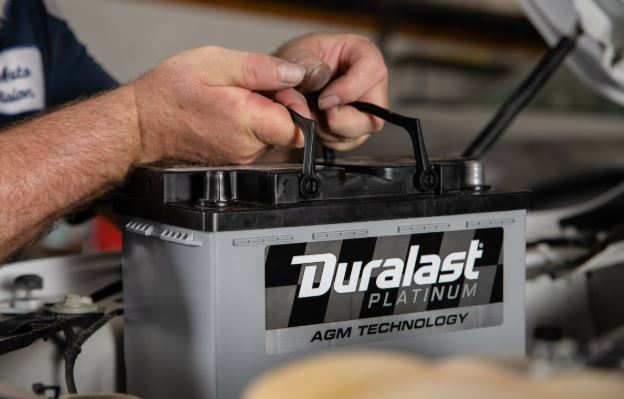
Quick Answer: Most car batteries last between 3 and 5 years under normal driving conditions.
However, the actual lifespan depends on several factors, including climate, driving habits, battery quality, and how well the vehicle’s charging system performs.
A battery used in moderate temperatures and driven regularly may easily reach five years. In contrast, batteries exposed to extreme heat or frequent short trips may fail much sooner.
Factors That Affect Car Battery Life
Climate and Temperature
Heat is one of the biggest enemies of a car battery.
While many people blame winter for battery failures, high temperatures actually cause more long-term damage by accelerating internal chemical reactions.
Hot weather can lead to:
- Faster deterioration of battery plates
- Increased water loss
- Internal corrosion
- Reduced overall lifespan
In warmer regions, batteries often need replacement after only 2 to 4 years.
Driving Habits
How you drive plays a major role in battery longevity.
Short trips prevent the alternator from fully recharging the battery after starting the engine. Over time, this constant partial charging weakens the battery.
Battery life can decrease when:
- Driving mostly short distances
- Leaving the vehicle parked for weeks
- Frequently starting and stopping the engine
- Using accessories with the engine off
Vehicle Electronics
Modern vehicles require more electrical power than ever before.
Features such as:
- Touchscreen infotainment systems
- GPS navigation
- Heated seats
- Driver-assistance systems
- Remote start functions
all place additional demands on the battery.
Battery Quality
Premium batteries generally last longer than low-cost alternatives.
Higher-quality batteries often provide:
- Better cold-weather performance
- Greater resistance to vibration
- Longer service life
- More reliable starting power
Common Signs of a Failing Car Battery
Slow Engine Cranking
Quick Answer: If the engine turns over slowly before starting, the battery may be losing its ability to deliver sufficient power.
This is often one of the earliest warning signs.
Battery Warning Light
A battery warning light may indicate:
- A weak battery
- Charging system issues
- Alternator problems
- Wiring faults
A proper diagnosis is necessary to determine the actual cause.
Dim Lights
Weak batteries often result in:
- Dimming headlights
- Flickering interior lights
- Reduced brightness during startup
Electrical Problems
Modern vehicles may experience:
- Radio resets
- Infotainment glitches
- Slow power windows
- Sensor-related errors
when battery voltage becomes unstable.
Frequent Jump Starts
If you’re regularly needing a jump start, your battery is likely nearing the end of its useful life.
How to Check the Health of a Car Battery
Inspect the Battery Age
Most batteries include a manufacturing date label.
General guidelines:
| Battery Age | Typical Condition |
|---|---|
| Less than 3 years | Usually healthy |
| 3–5 years | Monitor closely |
| More than 5 years | Consider replacement |
| More than 6 years | High risk of failure |
Measure Battery Voltage
Using a multimeter:
| Voltage Reading | Condition |
| 12.6V+ | Fully charged |
| 12.4V | Good |
| 12.2V | Partially discharged |
| Below 12.0V | Weak battery |
| Below 11.8V | Possible failure |
Perform a Load Test
A professional load test is one of the most accurate ways to evaluate battery condition.
Many auto parts stores offer battery testing at no charge.
Can You Drive With a Weak Battery?
Quick Answer: You may be able to drive temporarily, but it’s not recommended.
A weak battery can fail without warning, leaving you stranded.
Potential risks include:
- Unexpected no-start conditions
- Electrical system malfunctions
- Difficulty starting in cold weather
- Increased stress on the charging system
If testing confirms battery deterioration, replacement is usually the safest solution.
Common Misdiagnosis Mistakes
Assuming the Battery Is Always the Problem
Many drivers replace batteries unnecessarily when another component is responsible.
Faulty Alternator
A failing alternator can create symptoms similar to a bad battery.
Signs include:
- Battery warning light
- Repeated dead batteries
- Flickering lights
- Stalling while driving
Parasitic Battery Drain
Electrical components can sometimes continue drawing power when the vehicle is off.
Common causes include:
- Faulty relays
- Interior lights
- Aftermarket accessories
- Electronic modules
Corroded Battery Terminals
Corrosion creates resistance and can prevent proper charging or starting.
Cleaning the terminals may solve the issue without replacing the battery.
How to Make Your Car Battery Last Longer
Drive Regularly
Regular driving helps maintain a healthy state of charge.
Keep Battery Connections Clean
Inspect terminals periodically and remove corrosion when necessary.
Avoid Excessive Accessory Use
Limit use of:
- Radios
- Charging devices
- Interior lights
- Electronics
when the engine is not running.
Protect Against Extreme Temperatures
Whenever possible:
- Park in a garage
- Use shaded parking
- Protect the battery from prolonged heat exposure
Test the Battery Annually
Once a battery reaches three years of age, annual testing can help detect problems before failure occurs.
Typical Battery Replacement Costs
Costs vary depending on battery type and vehicle.
| Battery Type | Estimated Cost |
| Standard Lead-Acid | $100–$200 |
| Premium Battery | $180–$350 |
| AGM Battery | $200–$450 |
| Luxury Vehicle Battery | $300–$600+ |
Installation costs may vary depending on vehicle complexity.
Real-World Mechanic Tips
One of the most common mistakes drivers make is waiting until the battery completely fails before replacing it.
A battery can appear normal for months and then suddenly fail during a cold morning or after sitting unused for a few days.
Professional technicians often recommend proactive replacement once a battery reaches the upper end of its expected lifespan, especially if testing shows declining performance.
Another important tip is to have both the battery and charging system tested together. Replacing a battery without identifying an underlying alternator problem may result in the new battery failing prematurely.
Frequently Asked Questions
How long does a car battery last on average?
Most car batteries last between 3 and 5 years.
Can a car battery last 7 years?
Yes, but it’s relatively uncommon and depends on climate and maintenance.
What causes batteries to fail early?
Extreme heat, short trips, long storage periods, and charging system issues.
How do I know when my battery needs replacement?
Slow cranking, dim lights, electrical issues, and repeated jump starts are common indicators.
Is a 5-year-old battery considered old?
Yes. Most batteries are approaching the end of their service life by five years.
Can cold weather kill a battery?
Cold weather often reveals an already weak battery rather than causing the failure itself.
Should I replace a battery before it fails?
Preventive replacement can help avoid unexpected breakdowns.
Can a bad alternator damage a battery?
Yes. An alternator that undercharges or overcharges can shorten battery life.
Why does my battery keep dying overnight?
Possible causes include a parasitic drain, charging system issue, or failing battery.
How much does a new car battery cost?
Most replacements range from $100 to $350, depending on battery type.
Do electric accessories reduce battery life?
Frequent use with the engine off can contribute to battery discharge and wear.
Are AGM batteries better?
For many modern vehicles, AGM batteries offer improved durability and performance.
Conclusion
Understanding how long does a car battery last can help you avoid one of the most inconvenient vehicle problems: a car that won’t start when you need it most. While the average lifespan is generally between three and five years, factors such as temperature, driving habits, battery quality, and vehicle electrical demands can significantly affect longevity.
Recognizing warning signs like slow cranking, dim lights, electrical glitches, and frequent jump starts allows you to address problems before they become serious. Regular battery testing, especially after the three-year mark, provides valuable insight into its remaining life.
It’s equally important to remember that not every starting issue is caused by the battery itself. Alternator failures, parasitic drains, corroded terminals, and loose connections can produce similar symptoms and should always be considered during diagnosis.
A little preventive maintenance goes a long way. Keeping terminals clean, driving regularly, minimizing unnecessary electrical loads, and replacing aging batteries before complete failure can greatly improve reliability. By staying proactive, you’ll reduce the chances of being stranded and ensure your vehicle remains dependable throughout the year.
Artículos relacionados
How to Tell If a Car Battery Is Bad: Signs, Tests, and Solutions
A car battery can fail gradually or suddenly, and knowing the warning signs can save you from being stranded at…

Why Won’t My Car Start? Common Causes and How to Fix Them
Few things are more frustrating than turning the key or pressing the start button and getting nothing in return. If…