
Introduction
If you’ve been asking yourself, why is my engine making noise, you’re not alone. Unusual engine noises are among the most common warning signs that something may be wrong under the hood. While some sounds are harmless, others can indicate serious mechanical problems that require immediate attention.
The key to diagnosing engine noise is identifying what the sound resembles, when it occurs, and whether it’s accompanied by other symptoms such as power loss, warning lights, smoke, or vibration. This guide explains the most common causes of engine noises, how to identify them, and when you should stop driving and seek repairs.
Why Is My Engine Making Noise?
Quick Answer
The type of noise your engine makes often provides clues about the underlying problem. Knocking, ticking, grinding, squealing, rattling, and hissing sounds each point to different components and levels of severity.
Common engine noises include:
- Knocking
- Ticking
- Tapping
- Grinding
- Squealing
- Rattling
- Hissing
- Clicking
- Popping
Pay close attention to when the noise occurs:
- During startup
- While idling
- During acceleration
- Under heavy load
- At high RPM
- During cold starts
Engine Knocking or Pinging Noise
Quick Answer
Engine knocking is often caused by abnormal combustion inside the cylinders. It may result from low-octane fuel, carbon buildup, ignition timing issues, or internal engine damage.
A knocking sound typically resembles a metallic tapping or pinging that becomes more noticeable during acceleration.
Possible causes:
- Low-quality fuel
- Carbon deposits in combustion chambers
- Faulty knock sensor
- Incorrect ignition timing
- Engine overheating
- Excessive cylinder pressure
Symptoms:
- Reduced performance
- Poor fuel economy
- Check Engine Light
- Engine hesitation
Can you keep driving?
Mild knocking should be diagnosed soon. Severe knocking can lead to expensive engine damage.
Ticking or Tapping Noise From the Engine
Quick Answer
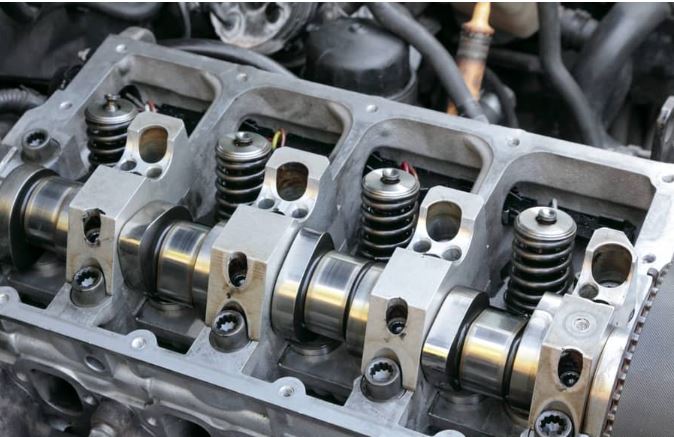
A ticking noise often originates from the valvetrain. Low oil levels, worn lifters, rocker arms, or valve components are among the most common causes.
The sound may increase with engine speed.
Common causes include:
- Low engine oil
- Incorrect oil viscosity
- Worn hydraulic lifters
- Valve train wear
- Loose valve clearance
- Timing chain wear
Associated symptoms:
- Engine noise during startup
- Noise that decreases as the engine warms up
- Reduced engine performance
Rod Knock: One of the Most Serious Engine Noises
A deep metallic knocking from the lower part of the engine may indicate connecting rod bearing failure.
This sound is often described as:
- Deep knocking
- Heavy metallic hammering
- Rhythmic engine knock
Common causes:
- Oil starvation
- Worn engine bearings
- Poor maintenance
- Extremely high mileage
Additional symptoms:
- Low oil pressure
- Metal particles in oil
- Engine vibration
- Check Engine Light
Can you drive?
No. Continued driving may result in complete engine failure.
Rattling Noise During Startup
Quick Answer
A brief rattling noise when starting the engine may indicate timing chain wear, a weak timing chain tensioner, or low oil pressure during startup.
Possible causes:
- Worn timing chain
- Faulty timing chain tensioner
- Variable valve timing (VVT) issues
- Low oil level
Symptoms:
- Noise lasting a few seconds after startup
- Rough idle
- Engine timing codes
Ignoring timing chain issues can eventually lead to severe engine damage.
Grinding Noise From the Engine Area
Grinding sounds should never be ignored.
Possible causes include:
- Failing water pump bearings
- Damaged alternator bearings
- Power steering pump failure
- Starter motor problems
- Internal engine damage
Signs often include:
- Metal-on-metal sounds
- Increased vibration
- Accessory belt issues
Immediate diagnosis is recommended.
Squealing Noise Under the Hood
Quick Answer
A high-pitched squealing noise is commonly caused by a slipping serpentine belt or a failing pulley.
Common causes:
- Worn serpentine belt
- Loose belt tension
- Faulty tensioner pulley
- Alternator pulley problems
- Air conditioning compressor issues
Symptoms:
- Noise during startup
- Noise when accelerating
- Noise during rainy weather
Most belt-related repairs are relatively inexpensive when addressed early.
Hissing Noise From the Engine
A hissing sound often indicates escaping air, vacuum leaks, or cooling system leaks.
Potential causes:
- Vacuum hose leak
- Intake manifold leak
- Radiator leak
- Coolant hose leak
Symptoms:
- Rough idle
- Lean fuel mixture
- Engine overheating
- Reduced performance
Clicking Noise While Idling
Quick Answer
Clicking noises are often related to fuel injectors, valvetrain components, or ignition system issues.
Possible causes:
- Normal injector operation
- Valve lifter wear
- Rocker arm issues
- Ignition system faults
Modern fuel injectors naturally make a light clicking sound. Loud or excessive clicking should be inspected.
Engine Noise During Acceleration
If the noise becomes worse under acceleration, the problem may involve:
- Detonation
- Rod knock
- Timing chain wear
- Exhaust leaks
- Transmission-related issues
Watch for additional symptoms:
- Power loss
- Hesitation
- Smoke
- Increased fuel consumption
Exhaust Leaks That Sound Like Engine Problems
Many drivers mistake exhaust leaks for internal engine noises.
Common exhaust leak sounds:
- Ticking
- Puffing
- Chuffing
- Rattling
Potential leak locations:
- Exhaust manifold
- Exhaust gasket
- Flex pipe
- Catalytic converter
Exhaust leaks often become louder during acceleration.
Low Engine Oil and Engine Noise
Quick Answer
Low oil is one of the most common causes of engine noise. Without proper lubrication, metal components create friction and wear, producing ticking, knocking, and grinding sounds.
Symptoms of low oil:
- Oil warning light
- Ticking from top of engine
- Knocking from lower engine
- Increased engine temperature
What to do:
- Check oil level immediately.
- Add the correct oil if low.
- Inspect for leaks.
- Monitor whether the noise disappears.
Never continue driving if severe knocking develops after low oil pressure.
How to Diagnose Engine Noise
Quick Answer
The most effective way to diagnose engine noise is to identify the sound type, determine when it occurs, inspect fluid levels, and scan for diagnostic trouble codes.
Follow these steps:
- Check engine oil level.
- Inspect coolant level.
- Listen for the location of the noise.
- Determine whether the sound changes with RPM.
- Scan for Check Engine codes.
- Inspect belts and pulleys.
- Look for exhaust leaks.
- Monitor oil pressure.
- Perform a compression test if necessary.
- Consult a qualified mechanic if the source is unclear.
Can You Continue Driving With a Noisy Engine?
It depends on the source of the noise.
Usually safe for short distances:
- Minor belt squeal
- Normal injector clicking
- Small exhaust leaks
Potentially dangerous:
- Rod knock
- Severe knocking
- Grinding noises
- Timing chain rattling
- Low oil pressure noises
When in doubt, reduce driving and have the vehicle inspected.
Typical Repair Costs
Approximate repair costs vary by vehicle make and model.
| Repair | Estimated Cost |
|---|---|
| Oil change | $40–$150 |
| Serpentine belt replacement | $100–$350 |
| Belt tensioner replacement | $150–$500 |
| Water pump replacement | $300–$1,200 |
| Timing chain replacement | $800–$3,500 |
| Lifter repair | $500–$2,500 |
| Exhaust manifold repair | $200–$1,500 |
| Engine bearing repair | $1,500–$6,000+ |
| Engine replacement | $3,000–$12,000+ |
Common Misdiagnosis Mistakes
Many engine noises are misdiagnosed because different failures can sound similar.
Common mistakes include:
- Assuming all ticking is lifter noise
- Ignoring low oil levels
- Replacing parts without diagnostics
- Mistaking exhaust leaks for engine knock
- Overlooking accessory pulleys
- Ignoring startup rattles
A careful inspection often saves significant repair costs.
Practical Mechanic Tips
- Always check oil level first.
- Record the noise on your phone before visiting a repair shop.
- Note whether the engine is cold or warm when the noise occurs.
- Pay attention to warning lights.
- Address new noises early before they become major repairs.
- Follow manufacturer maintenance schedules.
- Use the recommended oil grade.
In many cases, a small noise today can become a major engine repair tomorrow.
Frequently Asked Questions
Why is my engine making a ticking noise?
The most common causes are low oil levels, worn lifters, valve train wear, or normal fuel injector operation.
Is engine knocking serious?
Yes. Engine knocking can indicate combustion problems or internal engine damage and should be diagnosed promptly.
Can low oil cause engine noise?
Absolutely. Low oil often causes ticking, knocking, and accelerated engine wear.
Why does my engine rattle when I start it?
Timing chain wear, weak tensioners, or temporary low oil pressure are common causes.
What does rod knock sound like?
Rod knock is usually a deep metallic knocking that increases with engine speed and load.
Why does my engine squeal when I accelerate?
A worn serpentine belt or faulty pulley is often responsible.
Can an exhaust leak sound like engine noise?
Yes. Exhaust leaks frequently create ticking and tapping sounds that mimic engine problems.
Why does my engine make noise only when cold?
Cold oil, worn lifters, timing chain issues, or piston slap can be more noticeable during cold starts.
Can bad spark plugs cause engine noise?
Indirectly, yes. Misfires can create unusual sounds and rough engine operation.
Is it safe to drive with a noisy engine?
That depends on the cause. Minor belt noises may be manageable, but knocking or grinding sounds require immediate attention.
Why does the noise get louder when accelerating?
Increased engine load often amplifies problems involving bearings, timing components, combustion issues, or exhaust leaks.
Should I ignore a new engine noise?
No. New or worsening noises should always be investigated as early diagnosis usually reduces repair costs.
Conclusion
Engine noises should never be ignored because they often provide the first warning that something is wrong. Whether the sound is a light tick, a startup rattle, a squealing belt, or a deep engine knock, identifying the type of noise is the first step toward an accurate diagnosis.
Many causes are relatively simple to fix, such as low oil levels, worn belts, or minor exhaust leaks. However, noises involving timing chains, connecting rod bearings, or internal engine components can quickly become expensive if left unresolved. That’s why paying attention to when the noise occurs—during startup, idle, acceleration, or while the engine is under load—is so important.
From a real-world diagnostic perspective, checking oil levels, inspecting belts, and scanning for trouble codes should always be the starting point. These simple steps often reveal the root cause without unnecessary parts replacement. If the noise is severe, getting louder, or accompanied by warning lights, overheating, or loss of power, the safest decision is to stop driving and have the vehicle inspected immediately.
The sooner an engine noise is identified, the better the chances of avoiding major repairs and keeping your vehicle reliable for years to come.
Artículos relacionados

What Causes Rough Idle? Common Causes, Symptoms, and Fixes Explained
If your vehicle shakes, vibrates, or feels uneven while sitting at a stoplight, you're probably asking yourself: what causes rough…

Why Does My Car Shut Off While Driving? Common Causes, Warning Signs, and Fixes
Few automotive problems are more alarming than having your car suddenly shut off while driving. Whether it happens on a…

Why Is Blue Smoke Coming From My Exhaust? Causes, Symptoms, and Fixes
Blue smoke coming from the exhaust usually means your engine is burning oil. While small amounts of smoke during startup…

Why Is Black Smoke Coming From My Exhaust? Causes, Diagnosis, and Fixes
Introduction Seeing black smoke coming from your exhaust can be alarming, especially if your vehicle was running normally before the…

Why Is White Smoke Coming From My Exhaust? Causes, Diagnosis, and Solutions
Seeing white smoke coming from your exhaust can be alarming, especially if it appears suddenly or continues after the engine…

Why Is My Engine Overheating? Causes, Symptoms, and How to Fix It
Few vehicle problems are as alarming as seeing the temperature gauge climb into the red zone. If you're wondering why…