
A car battery can fail gradually or suddenly, and knowing the warning signs can save you from being stranded at the worst possible time. If you’re wondering how to tell if a car battery is bad, there are several symptoms and tests that can help you identify the problem before complete failure occurs.
Whether your vehicle struggles to start, the lights seem dim, or you’ve had to jump-start it more than once, understanding the signs of a failing battery can help you make the right repair decision and avoid unnecessary parts replacements.
How to Tell If a Car Battery Is Bad
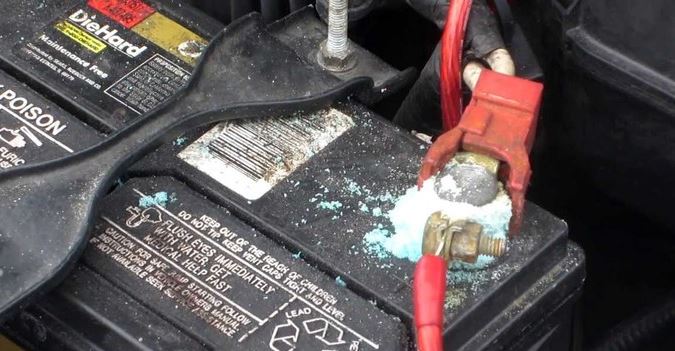
A bad battery often causes starting and electrical problems. The most common symptoms include slow cranking, dim lights, clicking noises when starting, corrosion around the terminals, and the need for frequent jump-starts.
Let’s take a closer look at each symptom.
Slow Engine Cranking
One of the earliest and most noticeable signs of a weak battery is slow cranking.
Instead of the engine starting immediately, you’ll hear the starter turn the engine over more slowly than normal. This happens because the battery no longer has enough power to supply the starter motor efficiently.
Clicking Noise When Turning the Key
If you hear a rapid clicking sound when attempting to start the vehicle, the battery may not have enough voltage to engage the starter properly.
In many cases, the dashboard lights illuminate, but the engine will not crank.
Dim Headlights and Interior Lights
Weak batteries often cause:
- Dim headlights
- Flickering dashboard lights
- Weak interior lighting
- Reduced brightness when accessories are turned on
If the lights become noticeably dimmer when starting the vehicle, battery issues are likely.
Electrical Accessories Working Poorly
Modern vehicles rely heavily on battery power.
A failing battery can affect:
- Power windows
- Radio systems
- Infotainment screens
- Heated seats
- Power locks
These systems may operate slowly or intermittently.
Dashboard Warning Lights
Many vehicles illuminate the battery or charging system warning light when voltage falls outside normal operating ranges.
While this doesn’t always mean the battery itself is bad, it signals that the charging system requires inspection.
Vehicle Needs Frequent Jump Starts
If your vehicle repeatedly requires jump-starts, the battery may no longer hold a charge.
Healthy batteries should retain enough power to start the vehicle after sitting overnight or for several days.
Swollen or Damaged Battery Case
A battery case that appears bloated or swollen often indicates internal damage caused by:
- Excessive heat
- Overcharging
- Internal chemical breakdown
A swollen battery should be replaced immediately.
Corrosion Around Battery Terminals
White, blue, or green buildup around the battery terminals can interfere with electrical connections and reduce battery performance.
Although corrosion doesn’t always mean the battery is bad, it can create symptoms that mimic battery failure.
Rotten Egg or Sulfur Smell
A strong sulfur odor usually indicates battery damage or overcharging.
This smell is caused by leaking battery gases and should never be ignored.
How to Test If a Car Battery Is Bad
The most accurate way to determine battery condition is through voltage and load testing. These tests reveal whether the battery can store and deliver sufficient power.
Check Battery Voltage With a Multimeter
Using a digital multimeter is one of the easiest tests.
With the engine off:
| Voltage Reading | Battery Condition |
|---|---|
| 12.6V or higher | Fully charged |
| 12.4V | Partially charged |
| 12.2V | Weak |
| Below 12.0V | Likely failing |
A battery consistently reading below 12 volts may require replacement.
Perform a Load Test
A load test measures how well the battery performs under demand.
Even if a battery shows normal voltage, it may fail when placed under load.
Many auto parts stores offer free load testing.
Use a Battery Tester
Modern battery analyzers provide:
- Battery health percentage
- Available cranking amps
- Internal resistance measurements
- Charging system evaluation
These tools can identify failing batteries more accurately than voltage testing alone.
Have the Battery Professionally Tested
Professional testing remains the most reliable method, especially when symptoms are inconsistent.
Can a Car Battery Be Bad Even If the Car Starts?
Yes.
Many batteries continue starting vehicles despite significant internal deterioration.
A battery may still:
- Start the engine during warm weather
- Fail unexpectedly during cold weather
- Lose capacity rapidly
- Struggle after sitting overnight
This is why testing is important even when the vehicle still starts.
Common Causes of Car Battery Failure
Understanding why batteries fail can help prevent future problems.
Age and Normal Wear
Most car batteries last between three and five years.
As batteries age, internal chemical reactions become less efficient.
Extreme Heat
Heat is one of the biggest battery killers.
High temperatures accelerate internal corrosion and shorten battery life significantly.
Extreme Cold
Cold temperatures reduce available battery power.
Weak batteries often fail during winter because cold weather increases starting demands.
Parasitic Battery Drain
Electrical components that continue drawing power after the vehicle is turned off can discharge the battery overnight.
Common causes include:
- Faulty modules
- Interior lights
- Alarm systems
- Aftermarket electronics
Faulty Alternator
A failing alternator may not recharge the battery properly while driving.
Over time, the battery becomes depleted and eventually appears defective.
Loose or Corroded Connections
Poor electrical connections can prevent proper charging and starting performance.
How Long Does a Car Battery Usually Last?
Most automotive batteries last:
- 3–5 years under average conditions
- 2–4 years in very hot climates
- Up to 6 years in ideal conditions
Factors affecting lifespan include:
- Climate
- Driving habits
- Vehicle electrical load
- Maintenance practices
Bad Battery vs Bad Alternator: How to Tell the Difference
Many drivers confuse battery and alternator problems because symptoms overlap.
Signs More Commonly Associated With a Bad Battery
- Slow cranking
- Clicking noises
- Frequent jump-starts
- Battery older than 4 years
- Low resting voltage
Signs More Commonly Associated With a Bad Alternator
- Battery repeatedly dies
- Lights brighten and dim while driving
- Electrical issues while engine is running
- Burning smell from engine compartment
- Charging system warning light
Simple Diagnostic Check
After starting the vehicle, measure charging voltage.
A healthy alternator typically produces between 13.5 and 14.8 volts.
Values outside this range may indicate charging system problems.
Can You Drive With a Bad Battery?
Sometimes, but it depends on the severity of the problem.
If the alternator is functioning properly, a weak battery may still allow the vehicle to run after starting.
However, driving with a failing battery carries risks:
- Unexpected no-start conditions
- Electrical malfunctions
- Increased strain on charging components
If symptoms are severe, replacement is recommended as soon as possible.
Step-by-Step Troubleshooting Guide
Step 1: Inspect the Battery Visually
Look for:
- Cracks
- Swelling
- Leaks
- Corrosion
Step 2: Check the Terminals
Ensure battery terminals are:
- Tight
- Clean
- Free of corrosion
Step 3: Measure Voltage
Use a multimeter to determine battery charge level.
Step 4: Test the Charging System
Check alternator output while the engine is running.
Step 5: Perform a Load Test
Verify that the battery can deliver sufficient current under load.
Common Misdiagnosis Mistakes
Many vehicle owners replace the wrong component.
Common mistakes include:
Assuming the Starter Is Bad
Weak batteries often mimic starter motor failures.
Replacing the Alternator Unnecessarily
A battery nearing the end of its life may create charging-related symptoms.
Ignoring Corrosion
Corroded terminals can prevent proper current flow even when the battery itself is healthy.
Overlooking Parasitic Drains
A perfectly good battery may repeatedly discharge because of an electrical drain elsewhere in the vehicle.
Battery Replacement Costs
Costs vary depending on vehicle type and battery size.
Average Battery Prices
- Economy vehicles: $100–$180
- Mid-size vehicles: $150–$250
- Premium vehicles: $200–$400+
Labor Costs
Installation typically costs:
- $20–$80 at repair shops
- Free at many parts retailers
Factors Affecting Cost
- Battery technology
- Cold-cranking amp rating
- Vehicle complexity
- Battery location
How to Extend the Life of Your Car Battery
Keep Terminals Clean
Clean terminals improve electrical efficiency and charging performance.
Avoid Excessive Short Trips
Short drives may not provide enough time for the alternator to fully recharge the battery.
Use a Battery Maintainer
Vehicles stored for long periods benefit from battery maintainers.
Inspect the Charging System
Regular alternator testing helps prevent premature battery failure.
Frequently Asked Questions
How do I know if my car battery needs replacement?
If the battery struggles to start the engine, repeatedly requires jump-starts, or fails testing, replacement is usually necessary.
Can a battery test good and still be bad?
Yes. Some batteries pass basic voltage tests but fail under load.
What voltage indicates a bad car battery?
A resting voltage below 12 volts often suggests a weak or failing battery.
How many years does a typical car battery last?
Most batteries last between three and five years.
Will a bad battery trigger warning lights?
Yes. Low voltage can trigger battery and charging system warnings.
Can cold weather make a battery seem bad?
Absolutely. Cold temperatures reduce available battery power and expose weaknesses.
How often should a battery be tested?
At least once a year after the battery reaches three years of age.
Can corrosion cause battery problems?
Yes. Corrosion increases electrical resistance and can create starting issues.
Is jump-starting harmful to a weak battery?
Occasional jump-starts are generally safe, but repeated jump-starts indicate an underlying problem.
What happens if I ignore a failing battery?
The vehicle may eventually fail to start, leaving you stranded.
Can a bad battery affect engine performance?
Indirectly, yes. Modern vehicles rely on stable voltage for proper operation.
Why does my battery keep dying overnight?
Possible causes include parasitic drains, charging system issues, or battery failure.
Should I replace a battery before it completely fails?
Yes. Preventive replacement can help avoid unexpected breakdowns.
Conclusion
A failing car battery often provides warning signs long before complete failure occurs. Slow cranking, clicking noises, dim lights, repeated jump-starts, and electrical issues are among the most common indicators that battery health is declining. While these symptoms may seem minor at first, they frequently worsen over time and can eventually leave you stranded without warning.
The best way to determine whether a battery is truly bad is through proper testing. A simple voltage check can reveal charging issues, while a load test provides a much more accurate assessment of the battery’s ability to deliver power under real-world conditions. It’s also important not to overlook related components such as the alternator, battery cables, and electrical connections, since these can create symptoms that resemble battery failure.
In my experience, one of the biggest mistakes vehicle owners make is waiting until the battery completely dies before taking action. By the time that happens, the vehicle often fails at the least convenient moment—during a cold morning, in a parking lot, or while traveling. Regular battery inspections and annual testing after the third year of service can prevent most unexpected failures.
If your battery shows several of the symptoms discussed in this guide, testing it now can save time, money, and frustration later. A healthy battery is one of the most important components in your vehicle’s electrical system, and keeping it in good condition ensures reliable starts and dependable performance year-round.
Artículos relacionados
Symptoms of a Bad Starter Motor: Warning Signs You Should Never Ignore
A vehicle that suddenly refuses to start can be frustrating, especially when you're unsure whether the battery, alternator, or starter…
How to Jump Start a Car Safely: Step-by-Step Guide for Beginners
A dead battery is one of the most common reasons a vehicle suddenly won’t start. If you know how to…

Common Car Electrical Problems: Causes, Symptoms, and Fixes Explained
Introduction Electrical systems are responsible for far more than just starting your vehicle. Modern cars rely on dozens of electronic…

Why Are My Car Lights Flickering? Causes, Diagnosis, and Fixes
Introduction If you're wondering why are my car lights flickering, you're not alone. Flickering headlights, dashboard lights, or interior lights…
How to Test a Car Battery: Simple Methods to Check Battery Health
Introduction A weak or failing battery can leave you stranded without warning. Knowing how to test a car battery is…
Symptoms of a Bad Alternator: Warning Signs You Should Never Ignore
Introduction The symptoms of a bad alternator can range from dim headlights and battery warning lights to complete engine stalling.…