
A car battery that repeatedly dies can be frustrating, inconvenient, and sometimes expensive to diagnose. If you’re asking “why does my car battery keep dying?”, you’re not alone. This is one of the most common vehicle problems drivers experience, especially as vehicles become more dependent on electronics and computer-controlled systems.
The good news is that a battery that keeps going dead usually has a specific cause. Whether it’s an aging battery, a charging system problem, or a hidden electrical drain, identifying the source of the issue is the key to preventing future breakdowns.
This guide explains the most common causes, how to diagnose them, whether it’s safe to keep driving, and what repairs may be necessary.
Why Does My Car Battery Keep Dying?
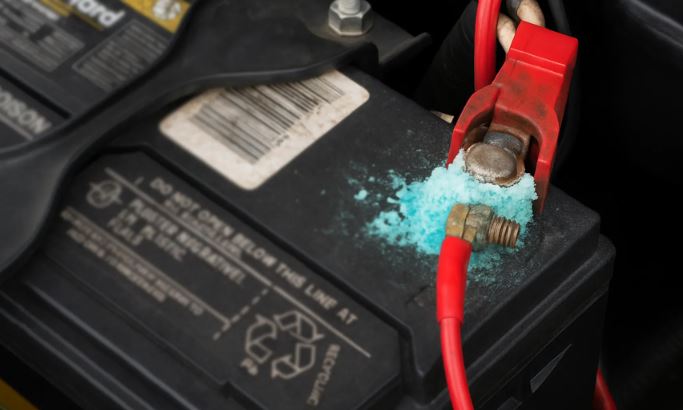
Quick Answer: A car battery typically keeps dying because the battery is old, the alternator isn’t charging properly, there’s an electrical drain, battery connections are loose or corroded, or the vehicle isn’t driven enough to keep the battery charged.
Several different issues can produce the same symptom: a dead battery. That’s why proper testing is important before replacing parts.
Common causes include:
- Old or failing battery
- Defective alternator
- Parasitic battery drain
- Corroded battery terminals
- Loose battery cables
- Extreme temperatures
- Short driving distances
- Faulty electrical components
How Long Should a Car Battery Last?
Most car batteries last between 3 and 5 years under normal conditions.
However, battery lifespan depends on several factors:
Average Battery Lifespan
| Climate | Typical Battery Life |
|---|---|
| Mild climates | 4-5 years |
| Hot climates | 2-4 years |
| Cold climates | 3-5 years |
Factors That Shorten Battery Life
Several conditions can significantly reduce battery longevity:
- Frequent short trips
- Extreme heat
- Repeated deep discharges
- Corroded terminals
- Charging system issues
- Long periods without driving
Signs Your Battery Is Reaching the End of Its Life
Watch for these warning signs:
- Slow engine cranking
- Dim headlights
- Electrical accessories acting strangely
- Frequent jump starts
- Battery warning light
- Swollen battery case
If your battery is more than four years old and showing these symptoms, replacement may be necessary.
Dead Battery vs Bad Alternator: How to Tell the Difference
Quick Answer: A dead battery usually causes slow cranking and starting issues. A failing alternator often causes the battery to die repeatedly because it cannot recharge properly while driving.
Symptoms of a Weak or Dead Battery
Common battery-related symptoms include:
- Engine struggles to start
- Clicking noise when turning the key
- Battery fails load testing
- Vehicle starts after a jump start
Symptoms of a Failing Alternator
Alternator problems often cause:
- Battery warning light
- Flickering headlights
- Electrical system malfunctions
- Burning smell
- Repeated dead batteries
Simple Tests You Can Perform at Home
A healthy battery should read:
- About 12.6 volts with the engine off
- About 13.5 to 14.8 volts while running
If charging voltage is low, the alternator may be failing.
Common Reasons Your Car Battery Keeps Going Dead Overnight
Quick Answer: If your battery dies overnight, the most likely cause is a parasitic drain, such as a light staying on, a faulty module, or an electrical component that continues drawing power after the vehicle is shut off.
Interior Lights Left On
A dome light or map light left on overnight can easily drain a battery.
Faulty Door, Trunk, or Glove Box Switches
Sometimes lights remain illuminated without the driver noticing.
Common culprits include:
- Glove box lights
- Trunk lights
- Under-hood lights
Aftermarket Electronics and Accessories
Poorly installed accessories often cause battery drain.
Examples include:
- Alarm systems
- Remote starters
- Dash cameras
- Audio amplifiers
- GPS trackers
Parasitic Draw From Electrical Components
Modern vehicles contain dozens of electronic modules.
If one fails to enter sleep mode, it can slowly drain the battery.
Faulty Relays and Modules
A sticking relay can continue supplying power after the ignition is off.
Common offenders include:
- Cooling fan relays
- Fuel pump relays
- Power seat modules
- Body control modules
Can a Parasitic Drain Kill Your Battery?
Quick Answer: Yes. Even a small parasitic drain can discharge a battery overnight or within a few days if the vehicle sits unused.
What Is a Parasitic Battery Drain?
A parasitic drain occurs when an electrical component continues drawing excessive current while the vehicle is parked.
A small amount of draw is normal.
Most vehicles should have:
- 20 to 50 milliamps of standby draw
Higher levels may indicate a problem.
Common Components That Cause Battery Drain
Mechanics frequently find issues with:
- Radios
- Infotainment systems
- Alarm systems
- Keyless entry modules
- Control modules
- Faulty relays
How Mechanics Diagnose a Parasitic Draw
A technician typically:
- Connects an ammeter.
- Measures current draw.
- Removes fuses one at a time.
- Identifies the affected circuit.
This process can take time but is often necessary to locate hidden electrical faults.
Typical Repair Costs
Parasitic drain diagnosis typically ranges from:
- $75 to $250 for testing
- Additional repair costs depending on the faulty component
Could the Alternator Be Causing the Problem?
Quick Answer: Yes. A bad alternator can prevent the battery from charging properly, causing repeated dead battery complaints even when the battery itself is healthy.
How the Alternator Charges the Battery
The alternator generates electricity while the engine runs.
It powers vehicle systems and replenishes the battery after starting.
Warning Signs of Alternator Failure
Look for:
- Battery warning light
- Dimming headlights
- Electrical glitches
- Dead battery after driving
- Whining noises
Testing Alternator Output
Most auto parts stores can test charging systems for free.
A healthy charging system typically produces:
- 13.5 to 14.8 volts
Lower readings may indicate alternator issues.
Repair and Replacement Costs
Typical alternator replacement costs:
| Vehicle Type | Estimated Cost |
|---|---|
| Economy cars | $300-$700 |
| Mid-size vehicles | $400-$900 |
| Luxury vehicles | $700-$1,500+ |
Battery Connections and Corrosion Problems
Quick Answer: Corrosion or loose battery terminals can prevent proper charging and create starting problems that mimic a failing battery.
Signs of Corroded Battery Terminals
You may notice:
- White or blue powder around terminals
- Hard starting
- Intermittent electrical issues
How Loose Connections Cause Starting Problems
Loose terminals create electrical resistance.
Even a good battery may struggle to deliver sufficient current to the starter motor.
Cleaning and Inspecting Battery Cables
Inspect for:
- Corrosion
- Broken cable strands
- Loose clamps
- Damaged insulation
Cleaning terminals is often an inexpensive fix.
Can Short Trips Cause a Car Battery to Die?
Yes.
Many drivers don’t realize that starting the engine consumes a significant amount of battery power.
Why Frequent Short Drives Reduce Battery Charge
If trips are only a few minutes long, the alternator may not have enough time to fully recharge the battery.
Impact of Modern Vehicle Electronics
Today’s vehicles consume more power than ever due to:
- Heated seats
- Large touchscreens
- Driver assistance systems
- Multiple control modules
Driving Habits That Help Recharge the Battery
Consider:
- Driving at least 20 to 30 minutes periodically
- Limiting unnecessary electrical loads
- Using a battery maintainer during long storage periods
Weather-Related Battery Problems
Effects of Cold Temperatures
Cold weather reduces battery performance and increases engine starting demands.
Symptoms often appear during winter mornings.
Effects of Extreme Heat
Heat is actually one of the leading causes of premature battery failure.
High temperatures accelerate internal battery deterioration.
Seasonal Battery Maintenance Tips
- Test the battery before winter
- Clean terminals regularly
- Inspect charging voltage
- Replace aging batteries proactively
Step-by-Step Troubleshooting Guide for a Battery That Keeps Dying
Quick Answer: Start by checking battery age and condition, then inspect connections, test charging voltage, and finally investigate possible parasitic drains.
Step 1: Check Battery Age
Locate the manufacturing date.
If the battery is over four years old, replacement may be justified.
Step 2: Inspect Battery Terminals
Look for corrosion or loose connections.
Step 3: Test Battery Voltage
Measure voltage with a multimeter.
Step 4: Test Alternator Charging Output
Verify proper charging while the engine is running.
Step 5: Check for Parasitic Drain
Measure current draw when the vehicle is off.
Step 6: Inspect Electrical Accessories
Review aftermarket equipment and recent electrical repairs.
Common Misdiagnosis Mistakes Mechanics Often See
Many drivers replace the battery unnecessarily.
Common mistakes include:
Replacing the Battery Without Testing It
A battery may be discharged rather than defective.
Ignoring Alternator Problems
A bad alternator can ruin a new battery.
Overlooking Hidden Electrical Drains
Some drains only occur intermittently.
Assuming a New Battery Cannot Be Faulty
Even new batteries can occasionally fail.
Is It Safe to Keep Driving If Your Battery Keeps Dying?
Quick Answer: It depends on the cause. If the alternator is failing, the vehicle may eventually stall. If the battery is weak, you risk being stranded.
Situations Where Driving May Be Possible
- Battery is simply aging
- Connections need cleaning
- Minor charging issues exist
Situations Requiring Immediate Repair
- Alternator failure
- Burning electrical smells
- Battery swelling
- Severe voltage fluctuations
Risks of Ignoring the Problem
Ignoring repeated battery failures can lead to:
- Unexpected breakdowns
- Towing expenses
- Damage to electrical components
- Premature battery replacement
Repair Costs for the Most Common Causes
| Problem | Typical Repair Cost |
|---|---|
| Battery replacement | $100-$350 |
| Alternator replacement | $300-$1,500+ |
| Battery terminal service | $20-$100 |
| Parasitic drain diagnosis | $75-$250 |
| Electrical repairs | $100-$1,000+ |
Conclusion
When a car battery keeps dying, the battery itself is not always the real problem. While battery replacement is often necessary for older vehicles, many recurring battery failures are caused by underlying issues such as a weak alternator, hidden electrical drains, corroded connections, or driving habits that prevent the battery from fully recharging.
The most effective approach is to diagnose the issue systematically. Start by determining the battery’s age and condition. Next, verify that the alternator is producing proper charging voltage. Then inspect battery terminals and cables for corrosion or looseness. If everything appears normal, investigate potential parasitic drains that may be discharging the battery while the vehicle is parked.
One of the biggest mistakes vehicle owners make is repeatedly replacing batteries without identifying the root cause. In many cases, a brand-new battery will fail again if an alternator problem or electrical drain remains unresolved.
From a diagnostic perspective, repeated battery failures should never be ignored. A vehicle that starts today may leave you stranded tomorrow if the underlying issue continues to worsen. Taking the time to properly test the battery, charging system, and electrical circuits can save money, prevent unnecessary repairs, and ensure your vehicle remains reliable.
If your battery continues dying despite recent replacement, a professional charging-system and parasitic-draw test is usually the fastest path to an accurate diagnosis.
Frequently Asked Questions
Why does my car battery keep dying even after replacing it?
A faulty alternator, parasitic drain, or poor battery connections are common causes.
Can a bad alternator drain a battery overnight?
Yes. Some alternator failures create internal drains even when the vehicle is off.
How do I know if my battery or alternator is bad?
Testing voltage and charging output is the most reliable method.
What is a parasitic draw?
An electrical component that continues consuming power when the vehicle is turned off.
Can cold weather cause my battery to die?
Yes. Cold temperatures reduce battery efficiency and increase starting demands.
How often should a car battery be replaced?
Most batteries last between three and five years.
Will a battery recharge by driving the car?
Yes, provided the alternator is functioning properly and the drive is long enough.
Can corroded terminals cause a dead battery?
Yes. Corrosion can interfere with charging and starting performance.
Why does my battery die after the car sits for a few days?
A parasitic drain or aging battery is often responsible.
Can an aftermarket stereo drain the battery?
Yes. Improper wiring can create excessive current draw.
What voltage should a healthy car battery have?
Approximately 12.6 volts with the engine off.
How much does it cost to diagnose battery drain issues?
Most shops charge between $75 and $250.
Can a blown fuse cause battery drain?
Usually not, but the circuit associated with the fuse may contain the problem.
Should I replace the battery or alternator first?
Testing should determine which component has failed before replacing either.
What should I do if my battery keeps dying repeatedly?
Perform a battery test, charging system test, and parasitic draw inspection.
Artículos relacionados
Symptoms of a Bad Starter Motor: Warning Signs You Should Never Ignore
A vehicle that suddenly refuses to start can be frustrating, especially when you're unsure whether the battery, alternator, or starter…
How to Jump Start a Car Safely: Step-by-Step Guide for Beginners
A dead battery is one of the most common reasons a vehicle suddenly won’t start. If you know how to…

Common Car Electrical Problems: Causes, Symptoms, and Fixes Explained
Introduction Electrical systems are responsible for far more than just starting your vehicle. Modern cars rely on dozens of electronic…

Why Are My Car Lights Flickering? Causes, Diagnosis, and Fixes
Introduction If you're wondering why are my car lights flickering, you're not alone. Flickering headlights, dashboard lights, or interior lights…
How to Test a Car Battery: Simple Methods to Check Battery Health
Introduction A weak or failing battery can leave you stranded without warning. Knowing how to test a car battery is…
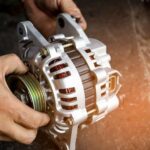
Symptoms of a Bad Alternator: Warning Signs You Should Never Ignore
Introduction The symptoms of a bad alternator can range from dim headlights and battery warning lights to complete engine stalling.…